

Let’s be real, your current “going out” outfit probably consists of dark jeans you haven’t washed in three weeks and a shirt you bought because the model had good lighting. Meanwhile, men in the 1920s stepped out of their apartments looking like they’d just closed a deal on a railroad empire before breakfast. Cue dramatic pause. What if I told you the secret wasn’t better tailors or unlimited budgets? It was understanding that clothes weren’t costumes, they were armor for a world exploding with possibility. And yes, this will be on the test, specifically the test called “explaining why your grandfather’s wedding photo looks more stylish than your entire Instagram grid.”
Hot take coming in 3…2…1… The Roaring Twenties didn’t invent style. It invented the idea that men could look relaxed without looking lazy. And no, your hoodie with one functioning drawstring does not count as “relaxed elegance.”
Why 1920s Mens Fashion Still Matters (Spoiler: It Killed the Corset, For Men)
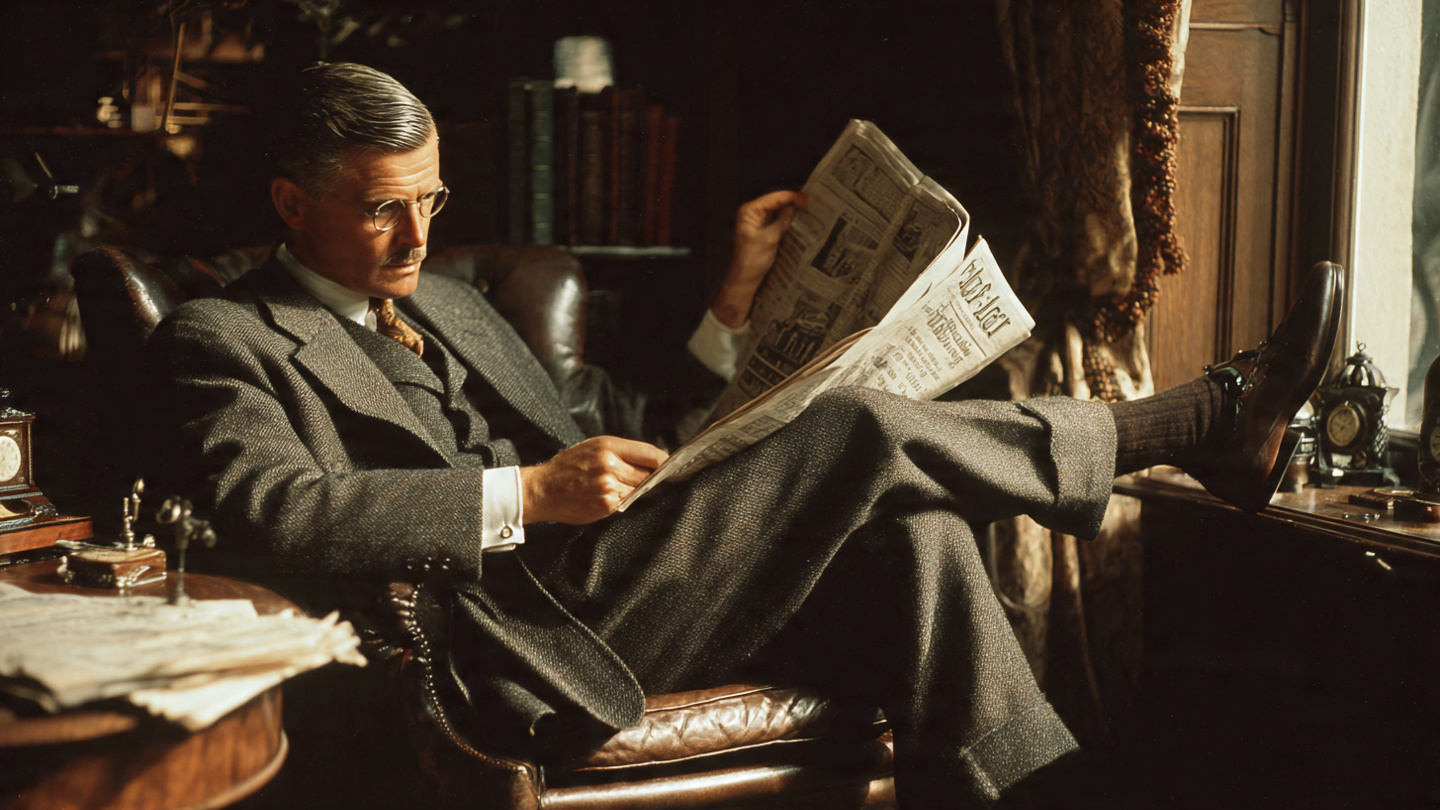
Here’s the uncomfortable truth nobody tells you in history class: before the 1920s, men’s fashion was basically Victorian-era formalwear with extra steps. Stiff detachable collars that choked you by noon. Tailcoats for daytime business. Trousers so tight you couldn’t climb stairs without assistance. Then came World War I, Prohibition, jazz clubs, and a collective decision that life was too short for clothing that required a servant to put on.
But let’s clear up the biggest misconception first: 1920s mens fashion wasn’t about flappers and parties, that was the women’s side of the equation. Men’s fashion in the 1920s was a quiet revolution in comfort without sacrificing dignity. The sack suit replaced the restrictive tailcoat. Soft shirt collars replaced starched detachable ones. Trousers rose to the natural waist and actually allowed sitting without splitting seams. This wasn’t decadence. It was liberation through tailoring.
The golden rule of 1920s mens fashion? Structure without constriction. Your clothes should hold their shape without holding you hostage. That high-waisted trouser wasn’t a fashion statement, it was engineering. It distributed fabric weight across your hips rather than your waistband, eliminating the dreaded muffin top decades before the term existed. The slightly boxy suit jacket? Designed for dancing the Charleston without popping buttons. Every detail served movement. And somehow, it all looked effortlessly authoritative.
The Five Pillars of Authentic 1920s Mens Fashion (No, It’s Not Just Suspenders)
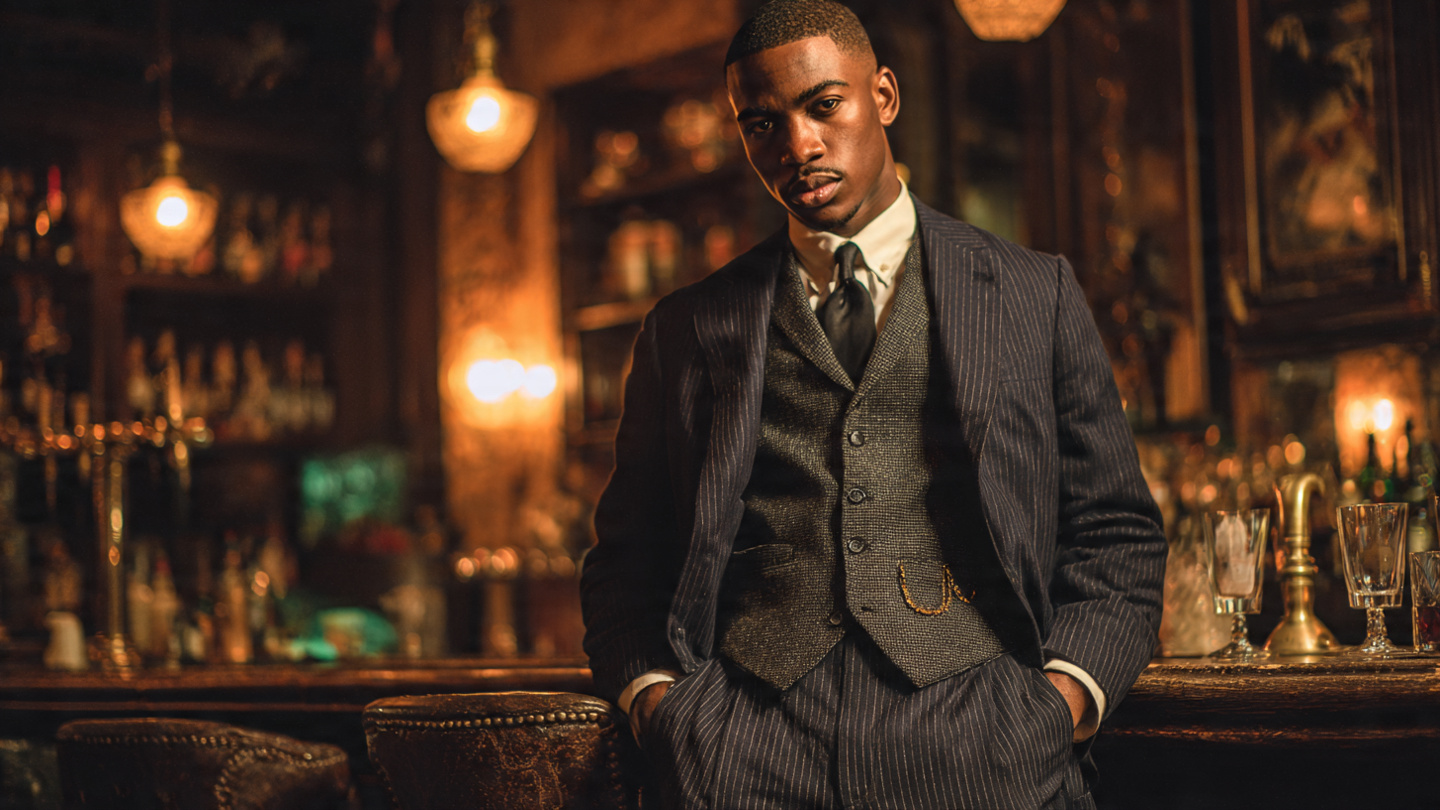
Pillar number one: The Sack Suit Revolution Before the 1920s, men wore morning coats and tailcoats that nipped at the waist like Victorian corsets. The sack suit changed everything: straight, unstructured cut from shoulder to hem with minimal waist suppression. No darts. No shaping. Just clean lines that moved with the body. This wasn’t sloppy, it was intentional minimalism. The sack suit became the foundation of modern business attire precisely because it worked for boardrooms, speakeasies, and train travel without requiring a wardrobe change. Your blazer‘s DNA contains 1920s mens fashion whether you know it or not.
Pillar number two: The High-Waisted Trouser with Cuffs Trousers in 1920s mens fashion hit at the natural waist, not the hips. This created a longer leg line and eliminated the need for belts (suspenders did the work invisibly). Cuffs added weight to help trousers drape cleanly. Most importantly, these trousers featured a generous leg opening, Oxford bags reached 24 inches at the hem by decade’s end. This wasn’t clown pants. It was practical design: wide legs allowed movement for dancing, sitting in cramped train cars, and striding confidently down city streets. Your skinny jeans would have been considered prison wear.
Pillar number three: The Essential Waistcoat No 1920s mens fashion ensemble was complete without a waistcoat (vest). Worn under the sack suit jacket or alone with trousers, it provided visual interest while hiding suspenders. Patterns mattered: subtle stripes, herringbone, or solid colors in wool or tweed. The waistcoat broke up the torso visually, creating proportion even on average builds. It also served practical purpose, pockets for pocket watches, cigarettes, and the occasional flask during Prohibition. Today’s “vest optional” approach misses the point: the waistcoat was the anchor of the silhouette.
Pillar number four: The Hat as Non-Negotiable A man didn’t leave his house bareheaded in the 1920s. Period. The fedora dominated for its versatility, felt for winter, straw for summer, with a medium-width brim that shaded eyes without blocking vision. Newsboy caps worked for casual settings. Flat caps signaled working class authenticity. The hat completed the vertical line of the outfit and signaled respect for public space. Going hatless wasn’t rebellious, it was sloppy. Your baseball cap worn backward would have caused actual fainting spells.
Pillar number five: Two-Tone Spectator Shoes Before white sneakers became the default, men wore proper leather shoes, and the boldest chose spectators: two-tone brogues typically in white and black or white and brown. These weren’t clown shoes. They were confidence made visible. Paired with argyle socks pulled taut (no sagging), they signaled a man who understood pattern mixing without screaming for attention. The key? Restraint. One bold element per outfit. Your all-black everything aesthetic would have been considered mourning attire, not a style choice.
How Jazz Age Culture Reshaped 1920s Mens Fashion (Beyond The Great Gatsby)
Let’s address the elephant in the room: most people’s understanding of 1920s mens fashion comes from watching The Great Gatsby once while slightly hungover. Yes, Gatsby fashion menswear features beautiful costumes. No, real men didn’t wear pink suits to casual parties (that was Fitzgerald’s literary symbolism). Authentic 1920s mens fashion was more nuanced.
The jazz explosion changed everything. When men started frequenting speakeasies and dance halls, clothing had to accommodate movement. Stiff collars came off. Jacket vents appeared to allow arm movement while dancing. Trousers widened to permit the Charleston’s kicks and twists. This wasn’t frivolity, it was functional design responding to cultural shift. The man who could move gracefully on the dance floor signaled modernity. The man stuck in stiff formalwear signaled irrelevance.
Meanwhile, ready-to-wear menswear exploded. Before the 1920s, most men had suits custom-made or made do with ill-fitting hand-me-downs. Department stores like Sears introduced standardized sizing, making quality tailoring accessible to the middle class. This democratization meant style was no longer exclusive to the wealthy. A factory worker could own a proper sack suit. A clerk could wear flannel trousers on weekends. 1920s mens fashion became the first truly democratic menswear movement, and its principles still underpin modern retail.
The Prince of Wales (later Edward VIII) became the decade’s style icon not through royal decree but through genuine innovation. He popularized plus-fours (knickerbockers ending below the knee) for golf, Fair Isle sweaters for casual wear, and bold pattern mixing that broke Victorian color taboos. His influence proved that men’s fashion could be expressive without being effeminate, a radical idea at the time. Today’s “peacocking” has nothing on Edward’s quiet confidence in argyle.
Roaring Twenties Style Decoded: What Actually Worked Then (And Now)
Here’s the tea: you don’t need to hunt down vintage 1920s menswear to channel Roaring Twenties style. You need to understand its operating system and apply it to modern garments. Let’s translate:
For building authentic Roaring Twenties style today:
- Choose trousers with a true high rise (button at natural waist, not hips)
- Prioritize straight or slightly tapered legs over skinny silhouettes
- Wear proper dress shirts with soft collars, not t-shirts as undershirts
- Invest in one quality wool blazer with minimal structure (no excessive padding)
- Add visual interest through pocket squares or quality socks, not loud prints
- Polish your shoes until they reflect light, scuffed footwear breaks the spell
The goal isn’t costume. It’s capturing the Roaring Twenties style ethos: confidence through proportion, not logos. That high-waisted trouser creates a longer leg line without magic or surgery. That properly fitted jacket shoulder sits exactly on your shoulder bone, no drooping, no pinching. These aren’t vintage quirks. They’re timeless principles of fit that modern low-rise, skinny-silhouette fashion abandoned to our collective detriment.
Gatsby Fashion Menswear Versus Reality: Separating Hollywood From History
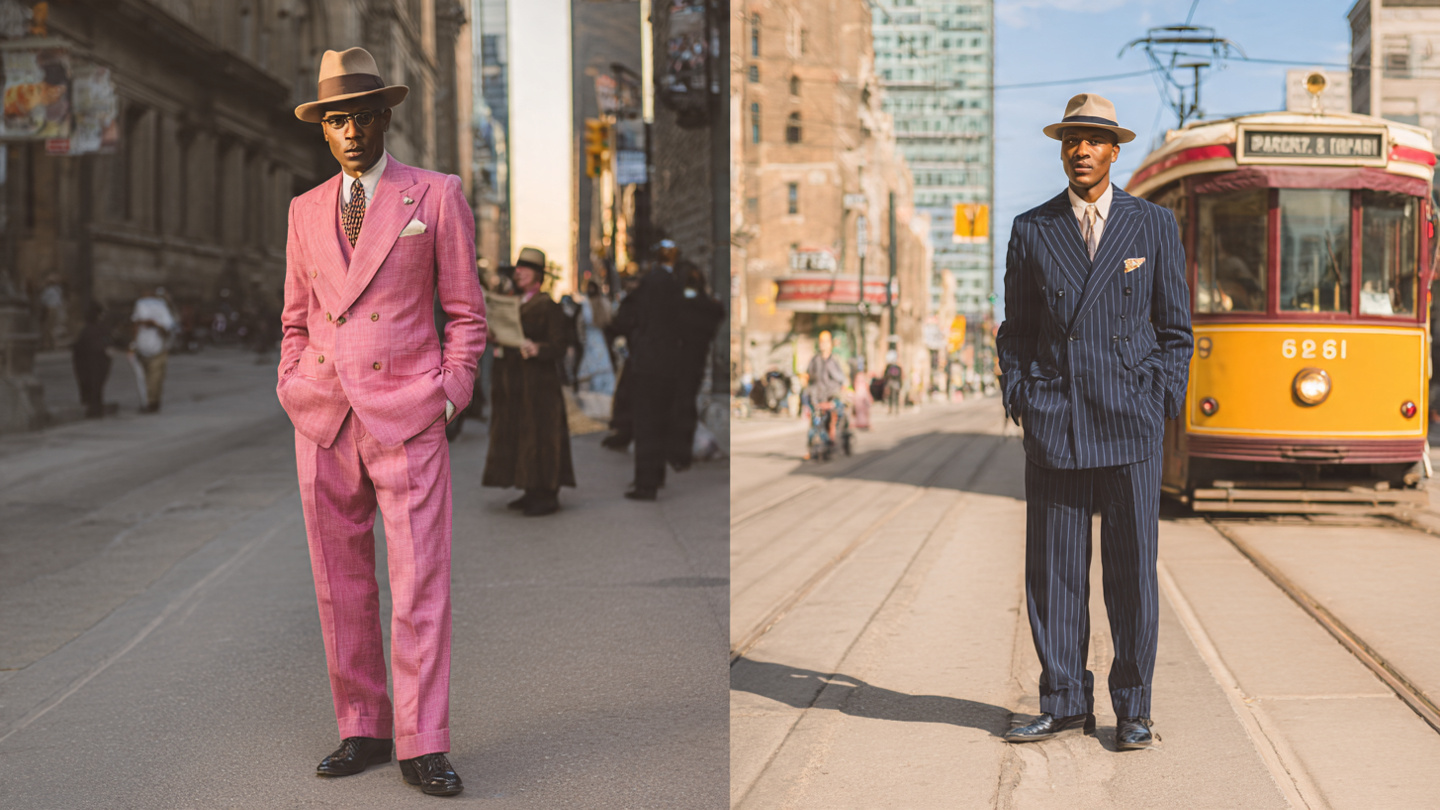
Let’s be brutally honest about Gatsby fashion menswear: the films capture the glamour but miss the nuance. Real 1920s mens fashion was less about pastel suits and more about subtle texture play. Navy flannel suits dominated business settings. Gray herringbone tweed ruled weekends. White linen appeared only in summer heat, and was immediately retired when autumn arrived. Color existed, but within boundaries: subtle stripes, windowpane checks, glen plaids. Neon pink? Reserved for theatrical performers and men of questionable reputation.
The iconic Gatsby pink suit served Fitzgerald’s narrative, it signaled Gatsby’s new money insecurity and desperate desire to stand out. Old money men wore conservative colors precisely because they didn’t need to announce their status. This distinction matters for modern interpretation: Roaring Twenties style wasn’t about being the loudest person in the room. It was about being the most put-together person in the room, quietly, confidently, without explanation.
Your move for authentic vintage 1920s menswear inspiration:
- Study photographs from the era, not movie costumes
- Notice how men dressed for specific occasions (no single outfit for all contexts)
- Observe proportion over pattern, silhouette mattered more than print
- Appreciate texture: flannel, tweed, and wool created visual interest without loud colors
- Understand that fit trumped everything, ill-fitting loud clothing was still ill-fitting
The Real Secret Nobody Tells You About 1920s Mens Fashion (Spoiler: It Wasn’t About Looking Rich)
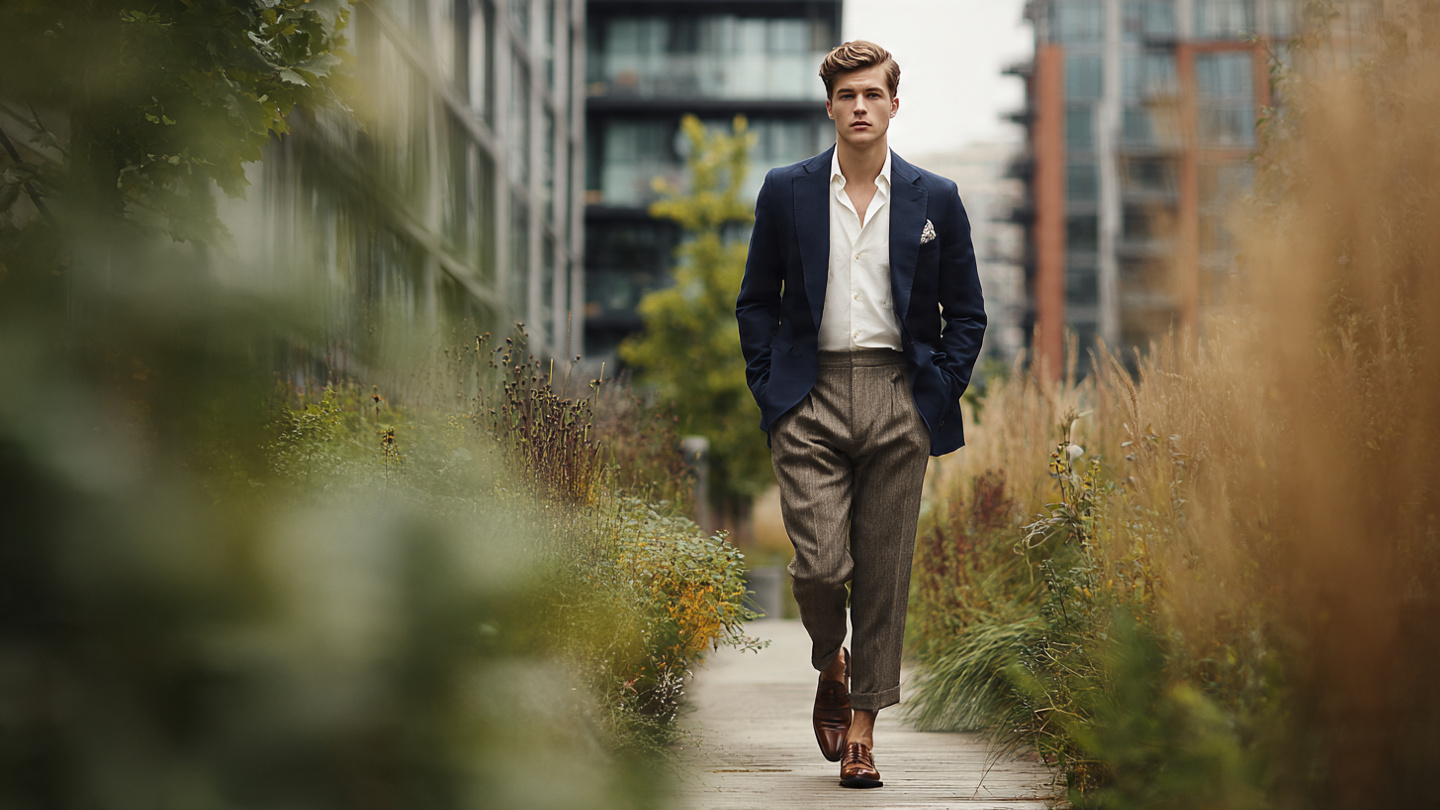
Here’s the truth: 1920s mens fashion succeeded because it served actual human bodies in actual human contexts. Those high-waisted trousers? They prevented plumber’s crack when bending over. Those wide-leg trousers? They accommodated layers in unheated buildings. That waistcoat? It provided warmth without bulk under a jacket. Every element solved a problem modern fashion reintroduced.
Your move:
- Audit your closet for fit failures (low-rise waistbands, restrictive thighs)
- Prioritize natural fibers that breathe and age gracefully (wool, cotton, linen)
- Learn basic alterations, hemming trousers properly costs $15 and transforms them
- Build outfits around proportion: high rise plus proper break plus jacket hitting at knuckle
- Dress for your actual life, not a fantasy version requiring three outfit changes daily
1920s mens fashion wasn’t nostalgic. It was practical. It wasn’t exclusive. It was democratic. It wasn’t rigid. It was adaptable within a coherent system. Your wardrobe should do the same: serve your real life with pieces that perform reliably across contexts. That’s not old-fashioned. That’s intelligent.
Final Lesson Before the Bell Rings
That chaotic closet of yours? It’s not a failure of taste. It’s a failure of system. 1920s mens fashion didn’t produce better dressers because men had more time or money. It produced better dressers because it offered a coherent system: high-waisted trousers, structured-but-soft jackets, essential waistcoats, proper footwear. Within that system, men could express individuality through fabric choice, subtle pattern, and impeccable maintenance.
So next time you’re tempted by those ultra-low-rise jeans because they’re on sale… pause. Ask yourself what a 1920s man would do with one good suit and a pressing need to look competent. He’d ensure the trousers hit at his natural waist. He’d press the creases sharp. He’d polish the shoes until they shone. He’d understand that fit and maintenance beat trendiness every single time.
Choose wisely. Your future self, the one attending weddings, job interviews, or just finally feeling comfortable in his own skin, will thank you. They’ll thank you for choosing vintage 1920s menswear principles over disposable trends. They’ll thank you for understanding that true style isn’t about having more clothes. It’s about having clothes that actually work, for your body, your life, and your dignity.
Class dismissed. Now go try on those trousers at your natural waist. And for the love of all that is holy, sit down in them first to make sure you can actually move.
FAQ Section
What defined 1920s mens fashion? 1920s mens fashion was defined by the sack suit (straight, unstructured cut), high-waisted trousers with cuffs, essential waistcoats, fedoras as non-negotiable headwear, and two-tone spectator shoes. The decade shifted menswear from Victorian formality toward relaxed elegance—prioritizing movement and comfort without sacrificing dignity. Soft collars replaced stiff detachable ones, and ready-to-wear sizing democratized quality tailoring.
What is a sack suit in 1920s suit style? A sack suit features a straight, unstructured cut from shoulder to hem with minimal waist suppression—no darts, no shaping. It replaced restrictive tailcoats and morning coats as everyday business wear. The name comes from its loose, sack-like silhouette—not from looking sloppy. This cut allowed freedom of movement for dancing, travel, and daily life while maintaining clean lines. The sack suit became the foundation of the modern business suit precisely because it balanced comfort with professionalism.
How did Roaring Twenties style differ from Victorian menswear? Roaring Twenties style abandoned Victorian menswear’s rigid formality: stiff detachable collars gave way to soft attached collars, tight-fitting trousers widened to allow movement, tailcoats disappeared for daytime wear, and waist emphasis relaxed into straight silhouettes. Most importantly, 1920s mens fashion introduced ready-to-wear sizing, making quality tailoring accessible beyond the wealthy. The shift wasn’t about looking less formal—it was about looking dignified while actually being able to move, sit, and dance comfortably.
What shoes did men wear in 1920s mens fashion? Men wore proper leather dress shoes—oxfords for business, brogues for country settings, and the bold two-tone spectator shoe for warm-weather confidence. Spectators typically combined white with black or brown leather in wingtip or cap-toe patterns. Socks were pulled taut (no sagging) and often featured argyle or subtle patterns. Canvas sneakers existed only for athletic activities—not streetwear. Scuffed or worn-out shoes were considered deeply improper regardless of a man’s income level.
How can I incorporate vintage 1920s menswear into my modern wardrobe? Incorporate vintage 1920s menswear principles by choosing high-rise trousers that hit at your natural waist, straight-leg or slightly tapered cuts over skinny silhouettes, unstructured blazers with natural shoulders, and quality leather shoes kept polished. Wear proper dress shirts with soft collars. Add visual interest through pocket squares or quality socks rather than loud prints. Focus on fit and proportion—these matter more than hunting for authentic vintage pieces. The goal is capturing 1920s mens fashion’s spirit of relaxed dignity, not costume recreation.
Was The Great Gatsby accurate for Gatsby fashion menswear? The Great Gatsby films capture visual glamour but exaggerate for cinematic effect. Real 1920s mens fashion favored navy, gray, and brown over pastels—Gatsby’s pink suit was literary symbolism for new money insecurity, not common wear. Authentic 1920s suit style prioritized texture (flannel, tweed) over loud colors. Men dressed appropriately for specific occasions rather than wearing one flamboyant outfit everywhere. For accurate Gatsby fashion menswear inspiration, study period photographs rather than movie costumes.
Why were trousers so high-waisted in 1920s mens fashion? High-waisted trousers in 1920s mens fashion hit at the natural waist (narrowest torso point) rather than the hips. This created a longer leg line visually, distributed fabric weight across stronger hip bones rather than soft waist tissue, and eliminated muffin top before the term existed. Combined with suspenders (not belts), this construction allowed comfortable movement while maintaining a clean silhouette. Low-rise trousers wouldn’t appear until the late 1960s—and represented a deliberate rejection of 1920s proportion principles.

