

Medieval clothing men was basically “dress for the job you want,” except the job was: survive winter, survive war, and maybe get knighted if you don’t trip on your own hem.
Also, quick note: external lookup isn’t available in this turn, so this is based on generally known medieval fashion history rather than live search results.
Medieval clothing men basics
Medieval men didn’t have “outfits,” they had layers—because central heating didn’t exist and dignity was optional.
- Tunic (aka the main character): The core of medieval mens clothing. A simple tunic could be short (working) or long (status), often belted to shape it.
- Hose: Think fitted leg coverings—like tights, but make it medieval and slightly more existential.
- Belt: Not just decorative; belts carried pouches, knives, keys—basically the medieval equivalent of “I don’t trust pockets.”
- Cloak/hood: For warmth, rain, and dramatic entrances.
Takeaway: Medieval fashion was mostly “layer up and strap things to your waist,” and yes, this will be on the test.
Medieval clothing for men by class
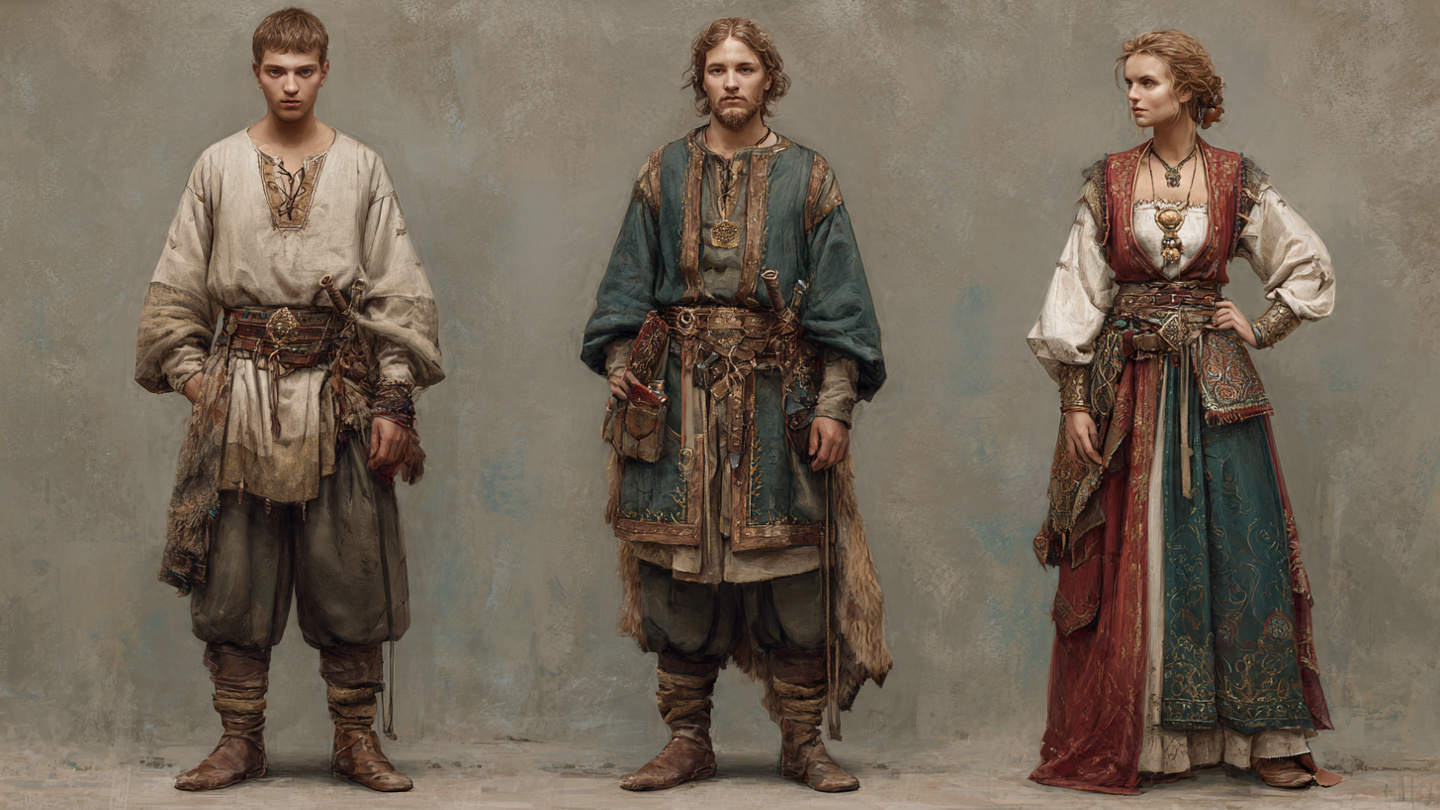
Let’s be real: medieval fashion was the original “your outfit shows your bank balance.”
- Peasants / workers: Rough wool and linen, practical cuts, darker/earthy colors (partly because dye cost money and partly because mud is free).
- Merchants / middle class: Better quality wool, more tailored tunics, brighter dyes, accessories that said, “I have coins and opinions.”
- Nobility: Fine wool, silk trims, richer dyes, fur lining, and enough fabric to make you look important even while doing absolutely nothing.
Takeaway: Same silhouette, different materials—status was basically fabric quality with attitude.
Medieval clothing men tunic: styles that mattered
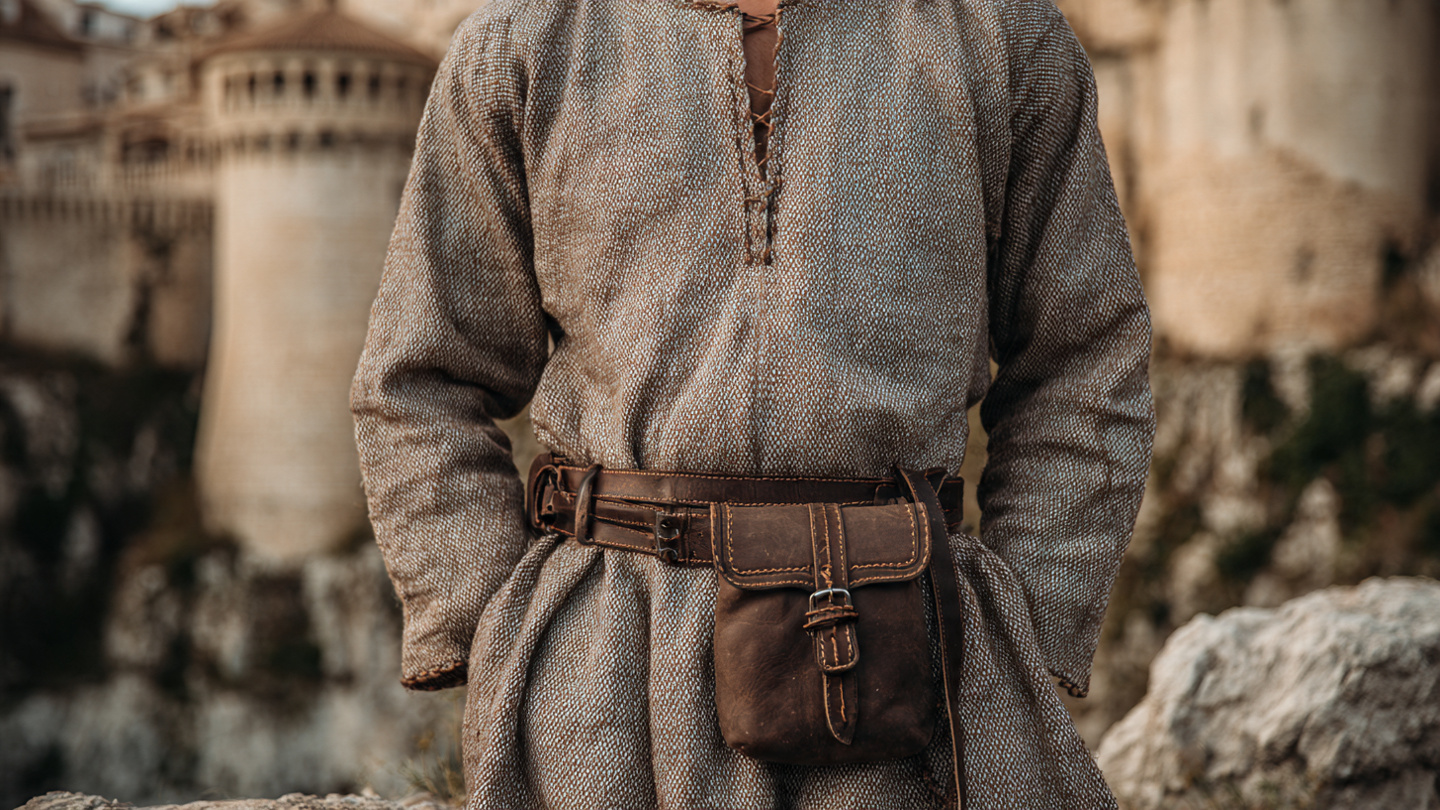
If you’re specifically targeting medieval clothing men tunic, here’s what people usually mean:
- Early medieval vibe: Simpler tunics, looser fit, fewer buttons, more “practical village hero.”
- High/Late medieval vibe: More fitted shapes, sharper tailoring, fancier sleeves, and sometimes short doublets over longer layers.
- Surcoat/tabard (over-layer): Often worn over armor, sometimes with heraldry—aka medieval branding.
Takeaway: The tunic was the universal garment; details and layering did the flexing.
Medieval mens clothes for events (aka “medieval dress male”)
“Dress clothes” for medieval men weren’t suits—they were upgraded versions of the same formula:
- Cleaner, finer tunic or doublet (more fitted, better fabric).
- Brighter dyes or patterned fabric.
- Cloak with nicer trim.
- Better belt and accessories (pouches, gloves, sometimes jewelry).
Takeaway: Medieval formalwear was “same outfit, but richer and less sweaty.”
What clothes did men wear at night in medieval times?
You feel me—nobody’s sleeping in full court drip.
Common “night” realities:
- Many men slept in a linen shirt/shift or minimal underlayers.
- In cold conditions, people often slept in layers or used cloaks/blankets, because insulation was the real luxury.
Takeaway: Medieval sleepwear was “whatever keeps you alive until morning.”
How to build a modern medieval look (without looking like a theme-park employee)
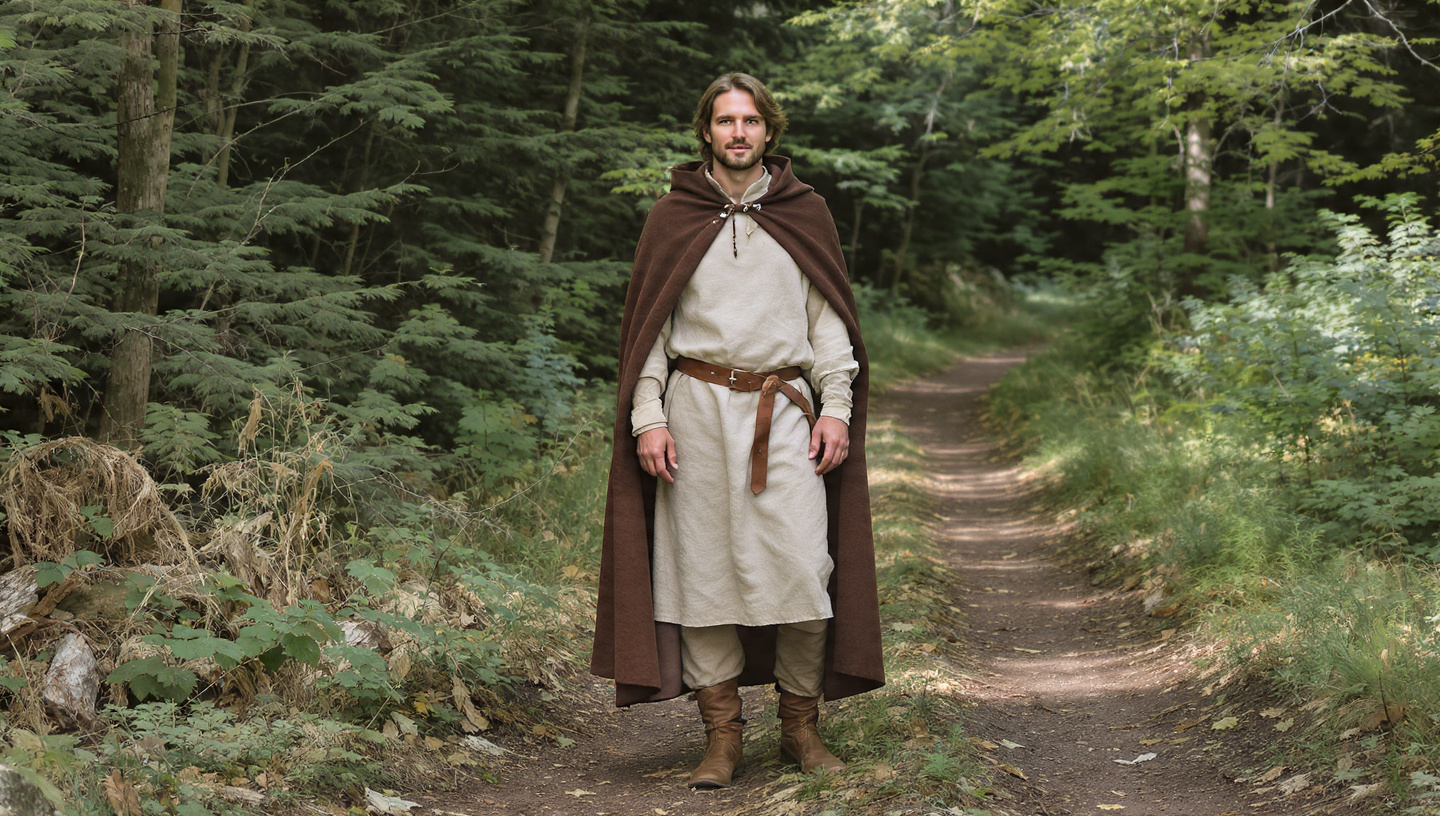
If you’re styling for cosplay, Ren fairs, or content:
- Start with a tunic + belt + hose as your base.
- Add one statement layer: cloak, hood, or surcoat.
- Choose one “era”: early medieval simple vs late medieval tailored.
- Keep materials natural-looking: linen/wool textures sell the vibe.
Takeaway: Keep it grounded—one dramatic piece is cool; five is a costume tornado.
FAQ section
Q1. What is the most common medieval clothing men outfit?
A typical look is a tunic belted at the waist with hose/leggings, plus a cloak or hood depending on weather.
Q2. What were men’s medieval clothes called?
Common terms include tunic, hose, doublet (later periods), surcoat/tabard (often over layers or armor), cloak, and hood.
Q3. What is a medieval clothing men tunic and how was it worn?
A tunic was the core garment in medieval mens clothing, usually worn over an underlayer and cinched with a belt; length and fabric quality often signaled status.
Q4. What were the dress clothes for men in medieval times (medieval dress male)?
Dressier medieval clothing for men used finer fabrics, brighter dyes, cleaner tailoring, and upgraded belts/cloaks—same base pieces, higher quality.
Q5. What clothes did men wear at night in medieval times?
Many slept in minimal underlayers (like a linen shirt/shift) and used blankets or cloaks for warmth, especially in colder seasons.
