

Vintage suits are what happen when “dressed up” actually meant dressed up—not “I wore sneakers with a blazer and called it smart casual.” Let’s be real: a good vintage suit can make you look like you own a jazz club, a publishing house, or at least a very confident opinion about martinis.
What “vintage suits” actually means
When people search vintage suits, they usually mean original suits from past decades (or faithful reproductions) with distinct cuts, fabrics, and details that modern fast fashion doesn’t bother copying properly.
Common categories you’ll run into:
- Mens vintage suits (authentic older suits; often wool, heavier structure).
- Retro mens suits (new suits made in vintage silhouettes).
- Era-specific styles like 50’s style suit, 1960 mens suits, or a 1960s suit with slimmer lines and sharper tailoring.
Takeaway: Vintage is the original; retro is the tribute band.
The big decade differences (so you don’t buy the wrong vibe)
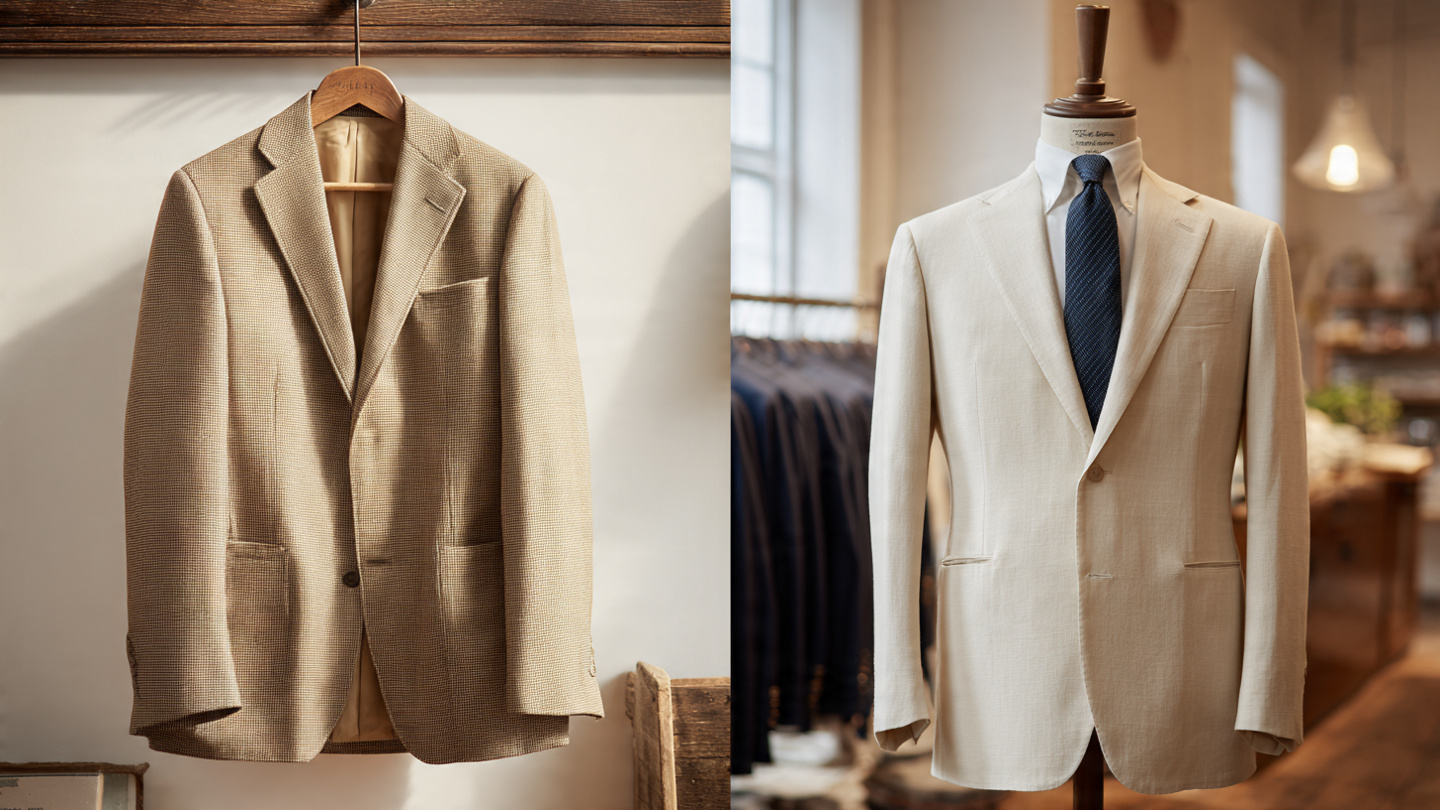
If you want the suit to read as the decade (and not just “old suit found in a cupboard”), here’s the cheat sheet:
1950s: 50’s style suit
- Structured shoulders, often slightly boxy or classic “American” shape.
- Higher-rise trousers, usually roomier than modern skinny fits.
- Conservative colors with strong fabric presence (wool that feels like it has a job).
Takeaway: 50’s tailoring says “respectable,” even if you’re not.
1960s: 1960 mens suits / 1960s suit

- Slimmer silhouette, narrower lapels (especially mid-to-late 60s).
- Cleaner lines, a bit more “mod” energy.
- Often looks sharp with minimal styling—because the cut does the talking.
Takeaway: The 60s suit is the blueprint for modern “sleek.”
How to buy vintage suits without getting played
Hot take coming in 3…2…1: most “vintage” problems are actually fit problems.
Before you buy:
- Check shoulder fit first (hardest and most expensive to alter).
- Confirm trouser rise and waist (vintage rises are usually higher).
- Inspect fabric condition (shiny seat, moth nips, thinning elbows).
- Look inside for construction quality (clean seams, intact lining).
If it needs heavy work, price it like a project—not like a finished masterpiece.
Takeaway: The best vintage suit is the one that needs the least “saving.”
Where to buy vintage suits (the practical answer)
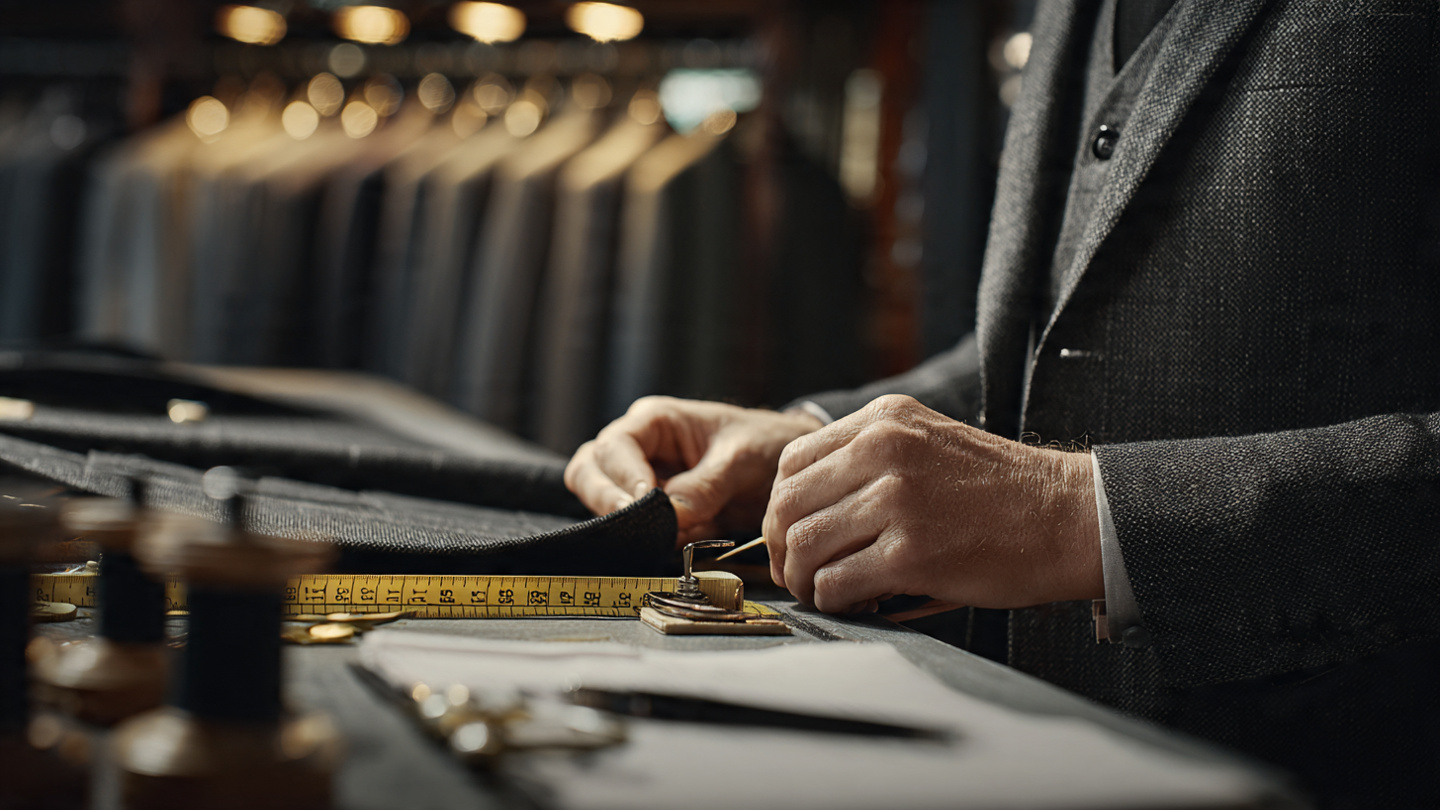
You feel me? Everyone asks where to buy vintage suits because they want the look without the heartbreak.
Best sources (generally):
- Curated vintage menswear stores (higher price, better selection).
- Tailor-friendly thrift finds (lower price, more hunting).
- Online vintage marketplaces (best variety, but you must trust measurements over “size M”).
When shopping online, only buy if the listing includes:
- Jacket: shoulder width, chest (pit-to-pit), length, sleeve.
- Trousers: waist, rise, inseam, thigh, hem.
Takeaway: Measurements are the truth; tags are fan fiction.
Styling vintage suits (so it doesn’t look like a costume)
To keep it modern:
- Pair the suit with a plain, crisp shirt (white or light blue).
- Choose one vintage element (tie, pocket square, loafers)—not all of them at once.
- Keep grooming clean; messy hair + vintage suit = “time traveler who needs help.”
Takeaway: One retro accent = stylish. Ten = theatre department.
FAQ section
Q1. What’s the difference between vintage suits and retro mens suits?
Vintage suits are original older suits from past decades, while retro mens suits are modern suits made in vintage-inspired cuts and details.
Q2. How do I choose between a 50’s style suit and a 1960s suit?
A 50’s style suit usually has more structure and a fuller, classic silhouette, while a 1960s suit (or 1960 mens suits) tends to be slimmer with cleaner lines.
Q3. Are mens vintage suits worth tailoring?
Yes—hemming trousers, adjusting the waist, and refining sleeves can make mens vintage suits look custom, but avoid suits needing major shoulder reconstruction.
Q4. Where to buy vintage suits safely online?
Look for listings with full measurements (shoulders, chest, length, sleeves, waist, rise, inseam) and clear photos of fabric wear, lining condition, and labels.
Q5. How do I style vintage suits without looking like a costume?
Keep everything else modern: a crisp plain shirt, minimal accessories, clean shoes, and only one “retro” accent (like a tie or loafers).

