

Let’s be real, when you picture 1940s fashion, your brain probably conjures up black-and-white photos of women in victory rolls and men in stiff suits that look like they’d crack if you bent an elbow. Maybe you’re imagining Rosie the Riveter’s iconic bandana or Humphrey Bogart’s trench coat in Casablanca. Cue dramatic pause. What if I told you that 1940s fashion wasn’t about looking glamorous it was about surviving a world war with style intact? And yes, this will be on the test specifically the test called “explaining to your date why you own a pair of high-waisted trousers that actually fit.”
Hot take coming in 3…2…1… The most stylish decade in history was born from fabric rationing, utility regulations, and the collective decision that looking put-together was itself an act of resistance. And no, your oversized hoodie does not count as patriotic.
Why 1940s Fashion Still Matters (Spoiler: It Invented Your Entire Wardrobe)
Here’s the uncomfortable truth nobody tells you in history class: the 1940s didn’t just give us swing music and victory gardens. They gave us the blueprint for modern minimalism. That clean-lined blazer you wear to interviews? Born from 1940s menswear necessity. Those high-waisted trousers you keep buying because they magically flatter your torso? Direct descendants of wartime women’s workwear. Even your minimalist capsule wardrobe philosophy? Thank a 1940s housewife who had to make three outfits from one yard of fabric.
But let’s clear up the biggest misconception first: 1940s fashion wasn’t about deprivation it was about creativity within constraints. When governments rationed fabric (UK’s Utility Scheme, US’s L-85 regulations), designers didn’t throw up their hands. They got inventive. Narrower lapels saved inches of wool. Patch pockets replaced welt pockets. Skirts shortened by regulation but designers added clever pleats to maintain movement. This wasn’t fashion suffering through war. This was fashion evolving under pressure, like a diamond forming under heat.
The golden rule of 1940s fashion? Function first, flair second. That structured shoulder on a woman’s suit jacket wasn’t just aesthetic it echoed military uniforms, signaling solidarity. Those wide-leg trousers women wore in factories? Designed for safety around machinery, not Instagram aesthetics. Every detail served purpose. And somehow, it all looked effortlessly chic.
The Five Pillars of Authentic 1940s Fashion (No, It’s Not Just Red Lips)
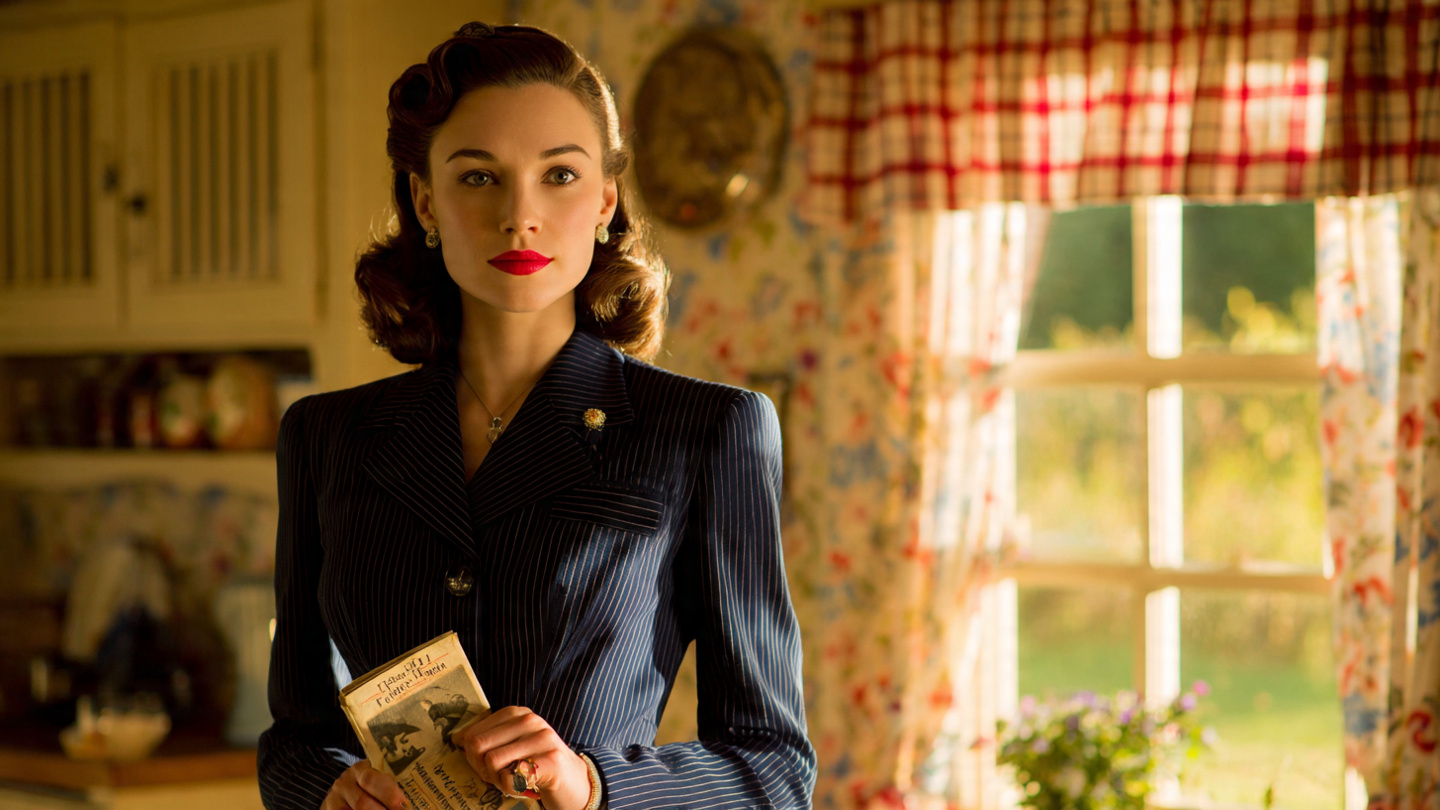
Pillar number one: The Power Shoulder Before shoulder pads became an 80s caricature, they were a 1940s statement of strength. Women’s jackets and blouses featured structured, slightly padded shoulders that created an inverted triangle silhouette broad on top, narrow at the waist. This wasn’t about looking masculine. It was about borrowing visual authority from military uniforms while maintaining distinctly feminine tailoring through nipped waists. The result? A silhouette that said “I can operate a rivet gun and still look elegant at the USO dance.”
Pillar number two: The Knee-Length A-Line Skirt Thanks to fabric rationing, hemlines rose to just below the knee—but designers compensated with clever construction. A-line shapes (narrow at waist, gently flaring toward hem) used minimal fabric while creating movement. Box pleats at the front or side added swing without excess material. These skirts paired with blouses or sweaters to create the iconic 1940s women’s clothing silhouette that balanced practicality with grace. No tight pencil skirts here those came later. Movement mattered when you might be sprinting for an air raid shelter.
Pillar number three: The Utility Suit For both men and women, the suit became the uniform of wartime dignity. Men’s suits under L-85 regulations lost their vests, featured narrower lapels, and eliminated cuffs on trousers to save fabric. Yet they maintained sharp tailoring because a well-fitted suit signaled that civilization persisted even during chaos. Women’s utility suits followed similar rules: single-breasted jackets, minimal detailing, knee-length skirts. These weren’t fashion statements. They were armor against despair.
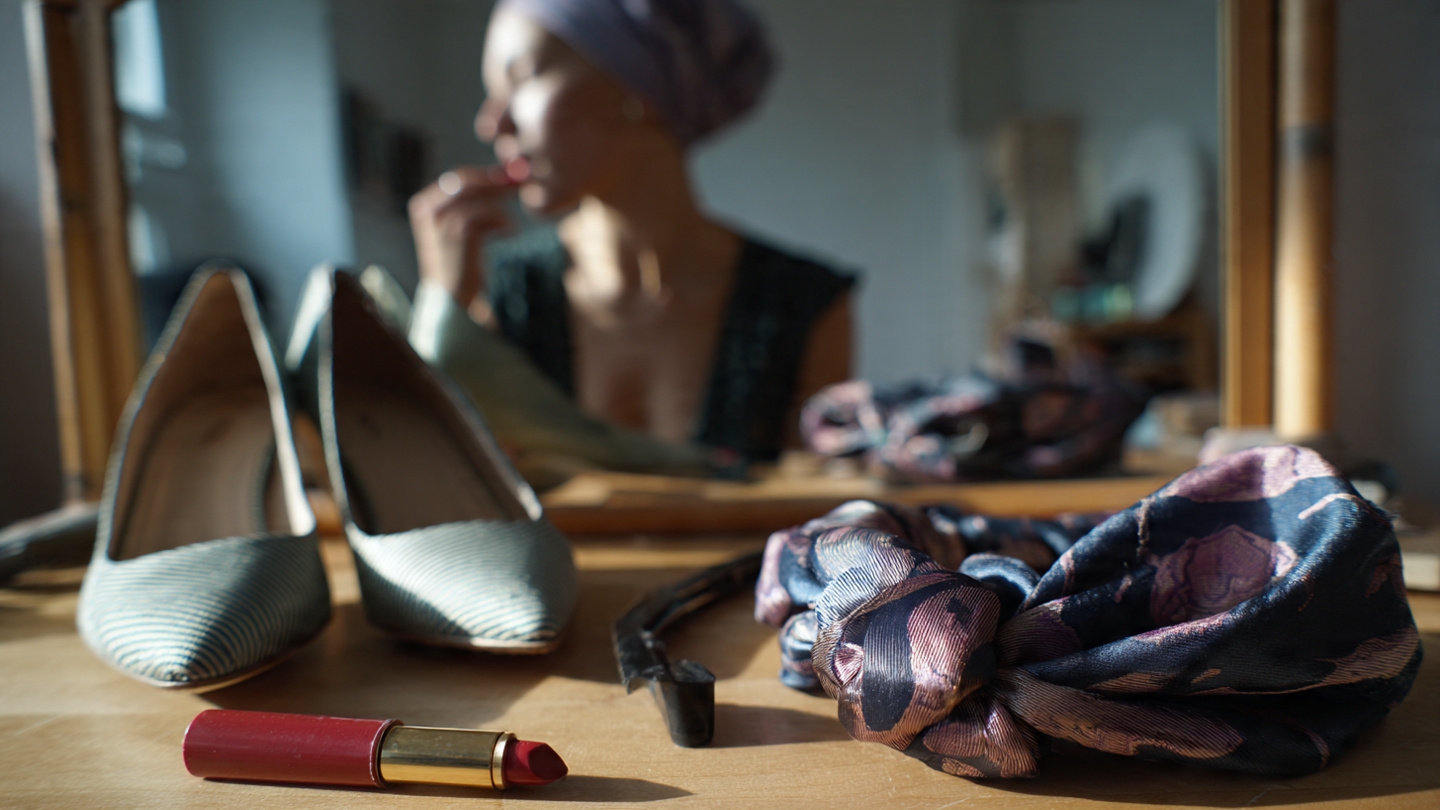
Pillar number four: Creative Accessories When fabric was rationed, accessories became the playground for self-expression. Women mastered the art of the turban (using scarves when hats were scarce), decorated plain shoes with removable fabric rosettes, and turned men’s cast-off ties into headscarves. Makeup stayed bold especially red lipstick as a small act of defiance. Men polished their single pair of dress shoes to mirror shine because replacements weren’t guaranteed. In 1940s fashion, accessories weren’t extras. They were the difference between looking defeated and looking deliberate.
Pillar number five: The Return of Femininity (Post-1945) When WWII ended in 1945, fashion didn’t immediately explode into Dior’s 1947 “New Look” though that was coming. The immediate postwar years saw a gentle softening: slightly fuller skirts, the return of some decorative stitching, and fabrics beyond utilitarian wool blends. But the 1940s sensibility remained: clean lines, emphasis on waist definition, and that distinctive shoulder shape. True 1940s fashion bridges austerity and elegance it doesn’t swing wildly between them.
How WWII Fashion Rationing Actually Made People More Stylish
Let’s address the elephant in the room: fabric rationing sounds miserable. And in many ways, it was. But it also forced a level of intentionality modern fast fashion has erased. When you could only buy so many yards of fabric per year (or needed coupons for ready-made garments), you couldn’t afford impulse purchases. Every garment had to earn its place in your closet through versatility and durability.
The US government’s L-85 regulations mandated specific reductions:
- Men’s suits lost vests and trouser cuffs
- Women’s skirts limited to 2.5 yards of fabric maximum
- Hem circumferences restricted to conserve material
- Ornamental details like ruffles and excessive buttons banned
Rather than creating a drab populace, these rules sparked creativity. Women learned to darn socks invisibly. They turned men’s worn-out shirts into children’s clothing. They swapped patterns with neighbors to maximize variety from limited fabric. This wasn’t deprivation culture it was resourcefulness culture. And the resulting 1940s fashion had a cohesion modern wardrobes lack: everything worked together because it had to.
The real lesson of WWII fashion rationing? Constraints breed creativity. Your overflowing closet with 47 unworn items isn’t freedom it’s decision paralysis. The 1940s woman with seven carefully chosen outfits dressed better because each piece had to perform multiple roles. Sound familiar? That’s because minimalism influencers are accidentally quoting 1940s housewives.
1940s Menswear: When Men Actually Knew How to Dress
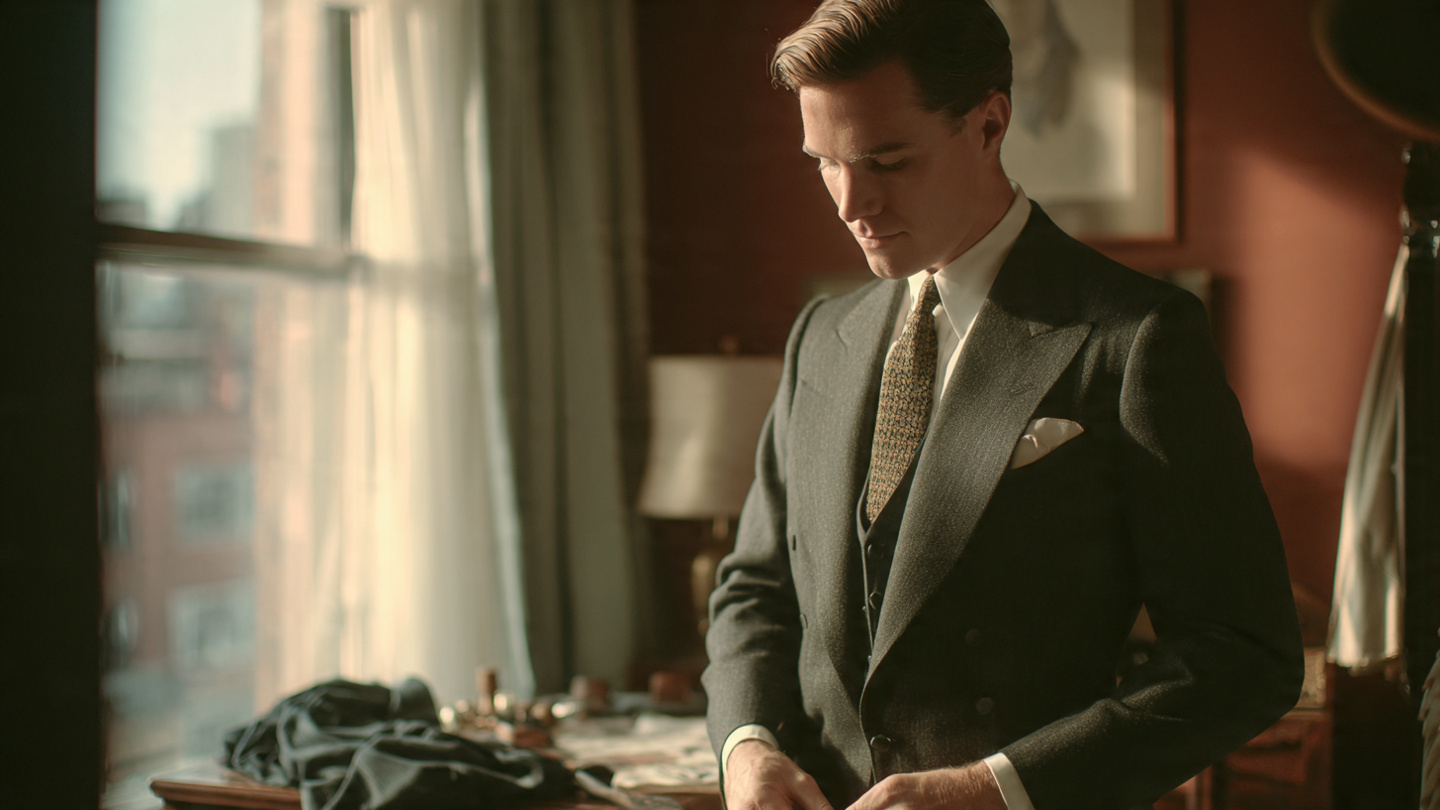
Let’s talk about 1940s menswear for a moment not because I’m nostalgic for mandatory hat-wearing, but because this decade perfected the art of looking polished without trying too hard. Men’s fashion in the 1940s operated on three non-negotiables:
- The Suit Was Non-Negotiable Even factory workers owned at least one well-fitting suit. Not because they were fancy but because it signaled respect for occasions that mattered: church, weddings, job interviews. Suits featured natural shoulders (no padding), high armholes for movement, and trousers with a clean break at the shoe. The wartime version eliminated vests and trouser cuffs under L-85 rules, but maintained sharp tailoring. This wasn’t costume dressing. It was visual respect.
- Separates Were Strategic Men mastered the art of mixing suit jackets with odd trousers gray flannel trousers with a navy blazer, for instance. This created multiple outfits from limited garments. The key? Matching formality levels. A worsted wool suit jacket paired with flannel trousers of similar weight. No mixing tuxedo jackets with jeans (that horror wouldn’t arrive for decades). 1940s menswear understood that versatility came from thoughtful coordination, not chaotic mixing.
- Details Mattered Disproportionately With limited new garments available, men focused on maintenance: shoes polished to reflect light, shirt collars replaced when frayed, ties carefully rolled for storage. A man might own three ties but they were silk, well-chosen, and rotated carefully. This attention to detail compensated for limited quantity. Your grandfather didn’t look sharp because he owned 30 shirts. He looked sharp because his three shirts were impeccably maintained.
How to Wear Vintage 1940s Style Today (Without Looking Like a Reenactor)
Here’s the tea: you don’t need to hunt down authentic vintage pieces to channel 1940s fashion. You need to understand its principles and apply them to modern garments. Let’s translate:
For women building a vintage 1940s style wardrobe:
- Seek high-waisted trousers with a slight taper (not skinny jeans)
- Look for blouses with defined shoulders not dropped shoulder sweatshirts
- Choose A-line or pleated midi skirts that hit below the knee
- Invest in a structured blazer with natural shoulder padding
- Accessorize with silk scarves tied at the neck or as headbands
For men embracing 1940s menswear principles:
- Prioritize trousers with a clean break and mid-rise waist (not low-rise)
- Choose sport coats with natural shoulders and notch lapels under 3 inches
- Wear proper dress shirts with collars meant for ties (even if you skip the tie)
- Polish your shoes until you can see your reflection
- Own one excellent wool overcoat it outperforms three fast fashion jackets
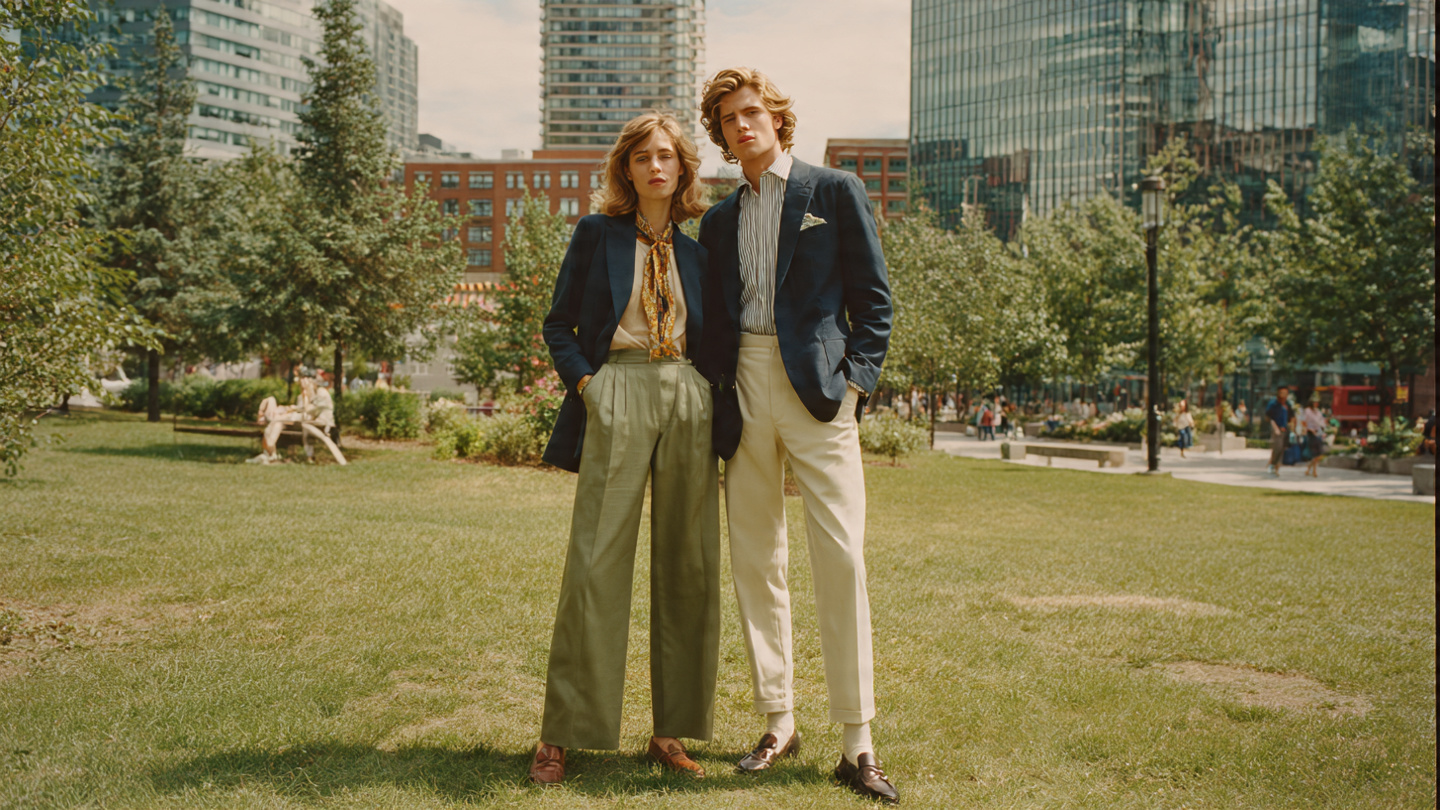
The goal isn’t costume. It’s capturing the 1940s fashion ethos: intentionality, quality over quantity, and respect for occasion. You can wear modern fabrics and silhouettes while honoring these principles. That navy blazer with slightly structured shoulders? That’s 1940s fashion speaking through time.
The Real Secret Nobody Tells You About 1940s Fashion (Spoiler: It Was Never About Nostalgia)
Here’s the truth: nobody in 1945 was pining for 1920s flapper dresses. They were building a new aesthetic for a new world. Similarly, wearing vintage 1940s style today shouldn’t be about romanticizing war or pretending life was simpler. It should be about adopting a mindset: clothes as tools for dignity, not disposable entertainment.
Your move:
- Audit your closet for pieces that serve multiple purposes
- Prioritize fit over trend tailoring beats buying new
- Maintain what you own (polish shoes, mend seams, store properly)
- Choose quality fabrics that age gracefully (wool, cotton, linen)
- Dress for the life you actually live not the life you Instagram
1940s fashion succeeded because it served real people in difficult circumstances. Your wardrobe should do the same: support your actual life with pieces that perform reliably. That’s not old-fashioned. That’s timeless.
Final Lesson Before the Bell Rings
That chaotic closet of yours? It’s not a failure of taste. It’s a failure of constraints. The 1940s didn’t produce better dressers because people had better genes. They produced better dressers because limited resources forced intentionality. Every garment had to earn its place through function and versatility.
So next time you’re tempted by that neon green cargo skirt because it’s all over your feed… pause. Ask yourself what a 1940s woman would do with one yard of fabric and a sewing machine. She’d create something that works for factory shifts, evening dances, and Sunday church—without changing her entire outfit. She’d prioritize structure over spectacle. Function over flash.
Choose wisely. Your future self the one getting married, landing that promotion, or just finally feeling comfortable in their own skin will thank you. They’ll thank you for choosing vintage 1940s style principles over disposable trends. They’ll thank you for understanding that true style isn’t about having more clothes. It’s about having clothes that actually work.
Class dismissed. Now go try on that blazer with proper shoulders. And for the love of all that is holy, sit down in it first to make sure the buttons don’t pop.
FAQ Section
What defined 1940s fashion? 1940s fashion was defined by structured shoulders, knee-length A-line skirts, utility suiting, minimal ornamentation due to fabric rationing, and an emphasis on clean tailoring. Both men’s and women’s clothing prioritized function without sacrificing elegance. The decade balanced wartime austerity with creative expression through accessories and silhouette.
How did WWII fashion rationing affect clothing design? WWII fashion rationing mandated specific reductions: narrower lapels, eliminated trouser cuffs, restricted skirt circumferences, and banned ornamental details like excessive buttons or ruffles. Rather than creating drab clothing, these constraints sparked innovation—designers used clever pleating, strategic seaming, and quality tailoring to maintain style within strict fabric limits. The result was surprisingly elegant minimalism.
What did women wear in the 1940s? 1940s women’s clothing featured padded shoulder jackets, high-waisted A-line skirts hitting below the knee, tailored blouses with defined shoulders, and practical trousers for factory work. Dresses followed similar silhouettes with modest necklines and knee-length hems. Accessories like scarves, turbans, and red lipstick added personality within rationing constraints. The iconic Rosie the Riveter look represented functional workwear, not everyday fashion.
What characterized 1940s menswear? 1940s menswear centered on well-tailored suits with natural shoulders, high armholes, and trousers featuring a clean break at the shoe. Wartime regulations eliminated vests and trouser cuffs under L-85 rules, but maintained sharp tailoring. Men mastered mixing suit jackets with odd trousers for versatility. Attention to detail—polished shoes, maintained collars, proper fit—compensated for limited garment quantities.
How can I incorporate vintage 1940s style into my modern wardrobe? Incorporate vintage 1940s style by choosing modern garments with 1940s principles: structured-shoulder blazers, high-waisted trousers with slight taper, A-line midi skirts, and quality natural fabrics. Prioritize fit and tailoring over trendiness. Accessorize with silk scarves or quality leather shoes. Focus on versatility—each piece should work in multiple contexts. You don’t need authentic vintage; you need the 1940s mindset of intentionality and respect for occasion.
Why were shoulder pads popular in 1940s fashion? Shoulder pads in 1940s fashion created a strong, broad-shouldered silhouette that echoed military uniforms—signaling solidarity during wartime. For women, this inverted triangle shape (broad shoulders, narrow waist) conveyed strength while maintaining femininity through nipped waists. It wasn’t about looking masculine. It was visual language: we are capable, resilient, and dignified even during crisis.
What fabrics were common in 1940s fashion? Common 1940s fashion fabrics included wool (for suits and coats), rayon (as silk substitute), cotton (for shirts and day dresses), and linen (for summer wear). Silk and nylon were rationed for military use (parachutes, uniforms), forcing creative substitutions. Quality natural fibers were prized because garments needed to last years, not seasons. Synthetic blends existed but lacked today’s performance qualities—durability came from construction, not fabric technology.

