

Wearing a man’s suit in the 1940s was basically the original “oversized blazer” moment—except with ration books, shoulder pads you could land a plane on, and the constant background noise of “make do and mend.” And yes, altering men’s suits into women’s clothing 1940 was not just a quirky DIY hobby; it was a whole survival-meets-style era.
Why 1940s women altered men’s suits
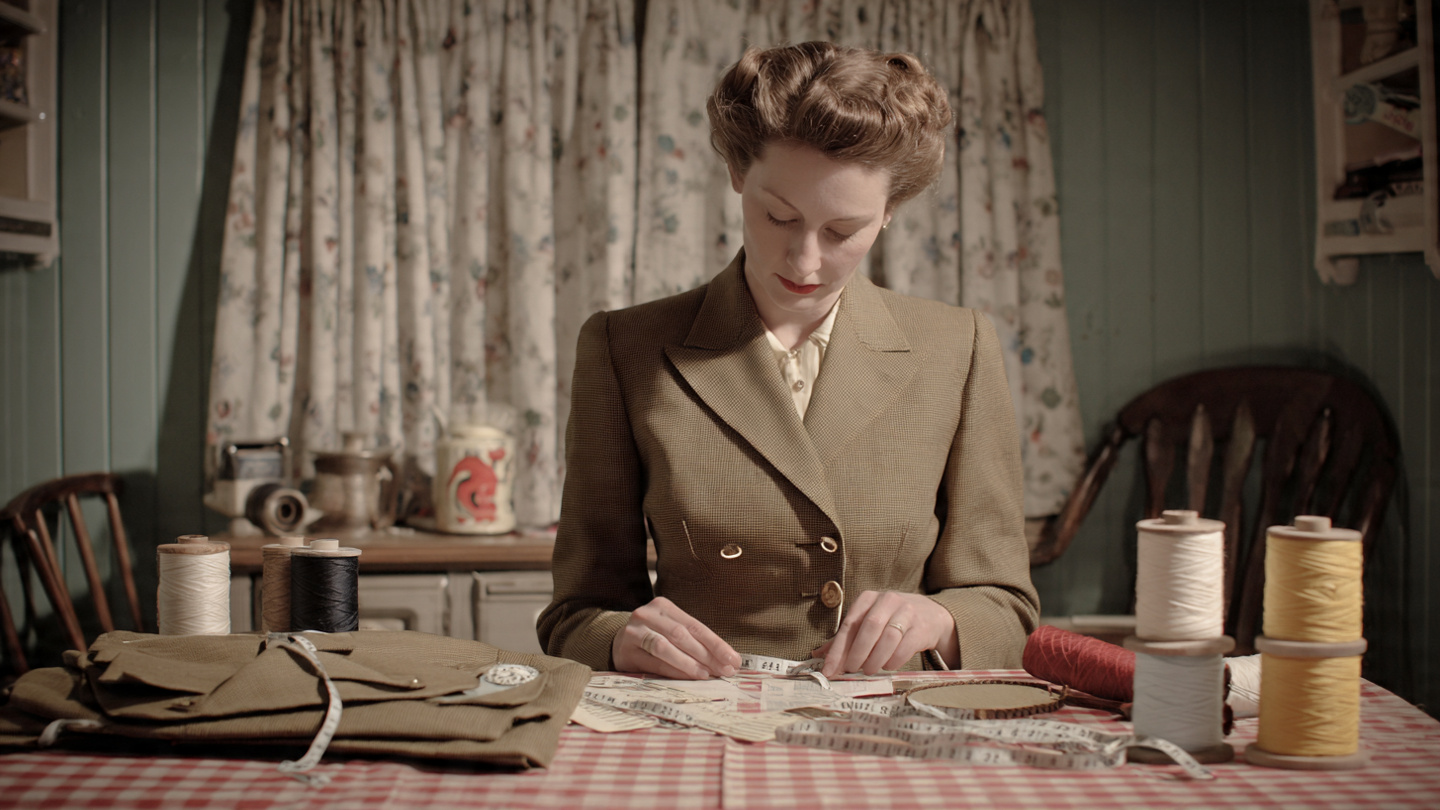
Let’s be real: the 1940s didn’t exactly scream “unlimited fabric budget.” Clothes were practical, materials were limited, and women needed durable garments that worked for daily life—often for jobs and responsibilities that expanded massively during wartime.
So what happens when you need sharp tailoring, warm wool, and something that doesn’t fall apart after three wears? You look at a men’s suit and go: “This is now my problem… and also my outfit.”
Takeaway: In the 1940s, thrift wasn’t a trend. It was the dress code.
The core idea of altering a men’s suit into women’s clothing
When people search altering men’s suits into women’s clothing 1940, they’re usually looking for the same transformation logic used back then:
- Start with a structured men’s jacket (strong shoulders, sturdy wool).
- Reshape it to fit the bust/waist/hips.
- Convert trousers into skirts (or refit them as women’s trousers, depending on style and practicality).
- Reuse every “scrap” like your life depends on it (because it kind of did).
You’re not “making it feminine” in a fluffy way—you’re making it functional and flattering with the tools and silhouettes of the time.
Takeaway: The 1940s makeover wasn’t about cute. It was about clever.
Step-by-step: how the 1940-style alteration typically works
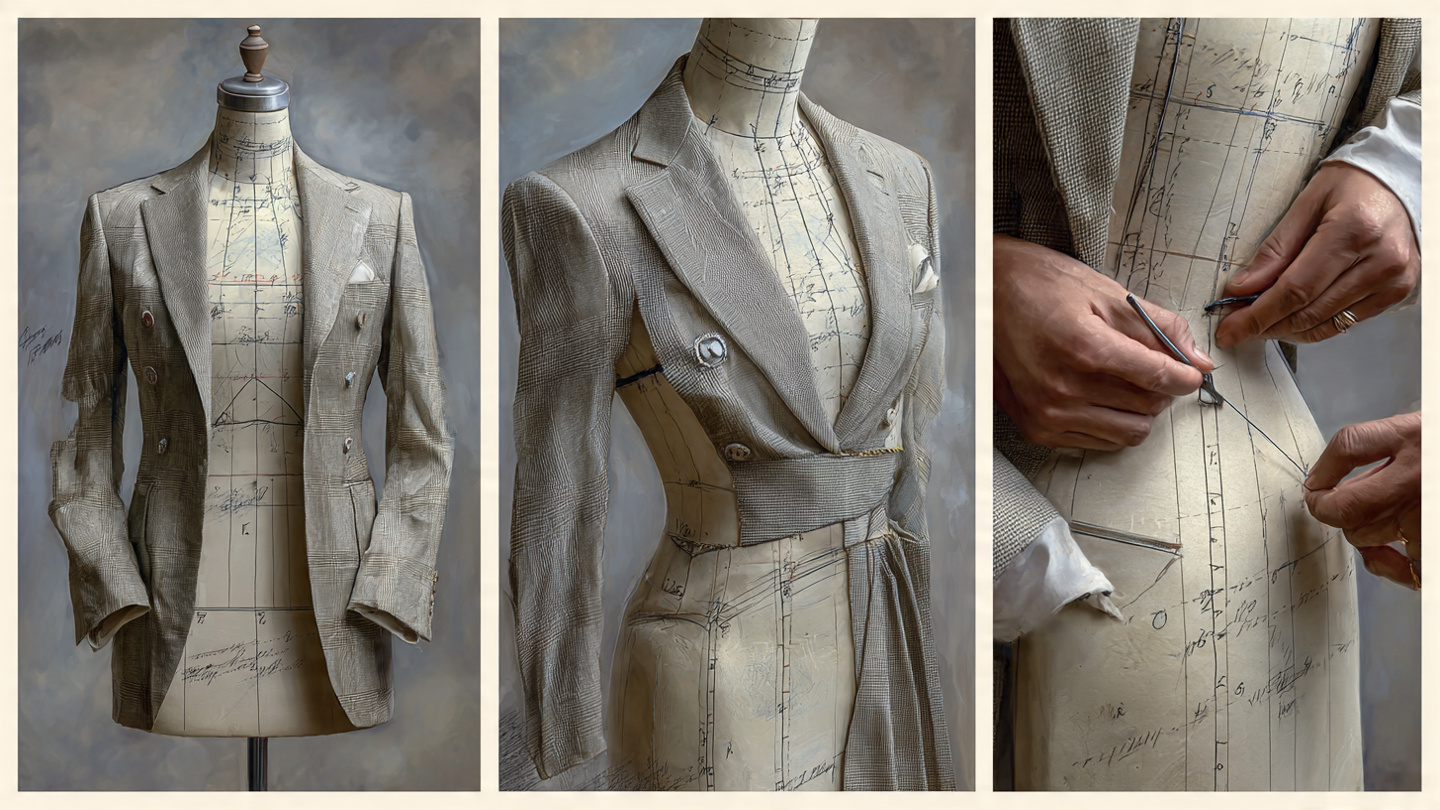
Here’s the practical workflow (the “don’t ruin the suit” edition):
Jacket conversion (the star of the show)
- Shoulders: Keep some structure (1940s loved strong shoulders), but reduce extreme width if needed.
- Waist shaping: Add darts, take in side seams, or use belt placement to create the classic 40s nipped-in waist.
- Length: Many 40s jackets sat around hip length—shortening can modernize and also mimic the era.
- Buttons & closure: Move buttons slightly to improve fit across the chest; keep it tailored, not gaping.
Trouser-to-skirt conversion (very 1940s, very smart)
- Seam rip + paneling: Open inseams and reshape into a straight or slight A-line skirt.
- Add pleats if needed: If you’re short on width, strategic pleats can increase movement without needing extra fabric.
- Waistband rebuild: Rework the waistband to sit correctly on the natural waist (a very 1940s silhouette).
Matching set options
- Turn the suit into:
- A tailored skirt suit (classic 1940s daywear).
- A fitted jacket + simple dress pairing (if you have extra fabric or a coordinating textile).
- A jacket + separated skirt (mix-and-match practicality).
Takeaway: If you can’t add fabric, you add strategy.
1940s details that make it look “authentically era”
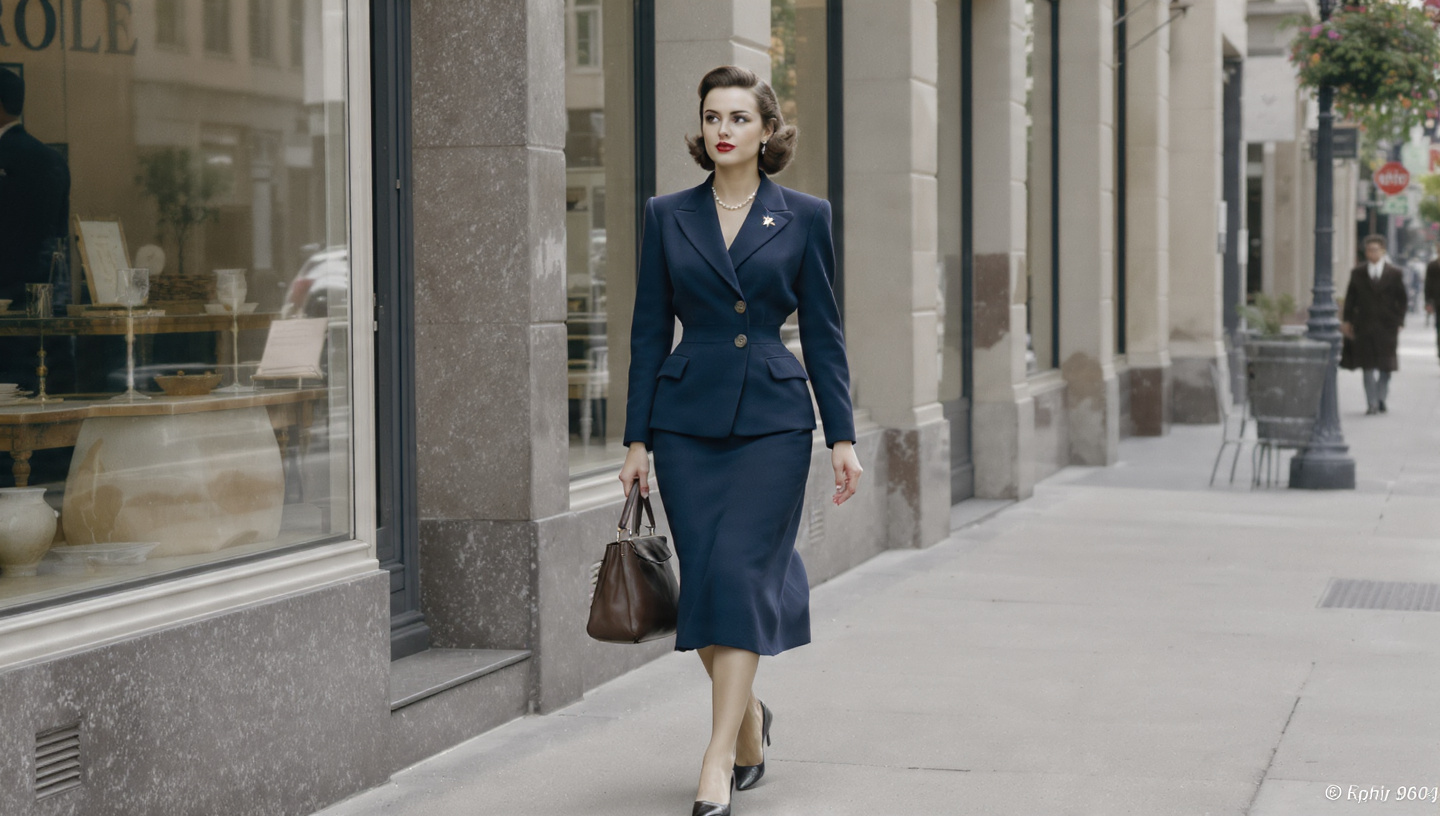
If you want the result to feel truly 1940s (not “modern thrift flip with vintage hashtags”), lean into these:
- Defined waist (belted or tailored).
- Strong but controlled shoulders.
- Mid-calf skirt lengths for daywear.
- Practical pockets and sturdy closures.
- Minimal fuss, maximum structure.
Takeaway: The 1940s silhouette is “just business,” but make it elegant.
“Books” angle
For the keyword variation altering men’s suits into women’s clothing 1940 books, the reader intent is usually: “Where can I learn the original methods?”
Good categories to look for (without pretending to quote a specific title list here):
- Wartime “make do and mend” sewing manuals
- Vintage tailoring textbooks (1940s–1950s editions)
- Costume history pattern drafting guides focusing on 1940s suits
If you want, share whether you need public-domain book sources, modern reprints, or just recommended categories—and a country (India/UK/US)—and a tailored reading list can be created.
Takeaway: If YouTube is fast food, vintage sewing books are the slow-cooked meal.
Safety note (because nobody wants a fashion tragedy)
- Old wool can be fragile—test stitch strength before heavy alterations.
- Dry clean (or at least properly air/steam) before cutting.
- If the suit is collectible/valuable, consider preserving it and using a less rare piece for alterations.
Takeaway: Alter bravely, but not recklessly—history deserves a little respect.
FAQ section
Q1. What does “altering men’s suits into women’s clothing 1940” mean?
It refers to 1940s-style refashioning where women’s garments (jackets, skirts, sets) are created by tailoring and re-cutting men’s suit pieces to fit women’s silhouettes and needs.
Q2. What are the easiest 1940-style alterations to start with?
Start with taking in a jacket at the waist, adjusting shoulder width carefully, and repositioning buttons—small changes that create a strong 1940s shape without rebuilding the whole garment.
Q3. Can you turn men’s suit trousers into a 1940s skirt?
Yes—opening seams and recutting panels can create a straight or slightly A-line skirt; the waistband often needs rebuilding to sit at the natural waist.
Q4. How do I keep the result looking authentically 1940s?
Aim for structured shoulders, a defined waist, practical tailoring, and a clean, minimal finish—more “sharp and useful” than “decorative.”
Q5. Where can I find “altering men’s suits into women’s clothing 1940 books”?
Look for wartime “make do and mend” manuals, vintage tailoring textbooks from the 1940s–1950s, and costume/history pattern drafting guides that cover 1940s suits and refashioning.

