

Let’s be real, your first thought when typing “hm” into Google wasn’t about the Swedish fashion giant. You were probably making that skeptical noise after your third H&M button popped off during a moderately enthusiastic handshake. Cue dramatic pause. We’ve all been there. That tiny, guttural “hm” that translates to: “Did I really pay $24.99 for this?”
Hot take coming in 3…2…1… H&M’s entire business model relies on you saying “hm” exactly twice: once when you see the price tag (“hm, affordable!”), and again three weeks later when the seams surrender (“hm… should’ve known better”). And yes, this will be on the test.
Wait What Is “Hm” Anyway? (Spoiler: It’s Not a Philosophical Sigh)
Before we roast fast fashion into oblivion, let’s clear the air: when people search “hm” in fashion contexts, they almost always mean H&M (Hennes & Mauritz), the Swedish multinational clothing retailer headquartered in Stockholm. Not the contemplative grunt your dad makes when reading the news. Not “Her Majesty.” Definitely not a typo for “um.”
H&M’s official mission? “To make fashion accessible and enjoyable for all.” Translation: “We’ll sell you trend-driven clothing so cheap you won’t cry when it disintegrates, but you’ll keep coming back because, well, what choice do you have?”
Their target market? Middle-income consumers who want fashionable, high-turnover wardrobe options without the high cost. In other words: people who haven’t yet discovered that buying cheap often costs more.
The Great H&M Paradox: Why “Old Money Aesthetic” at H&M Is an Oxymoron
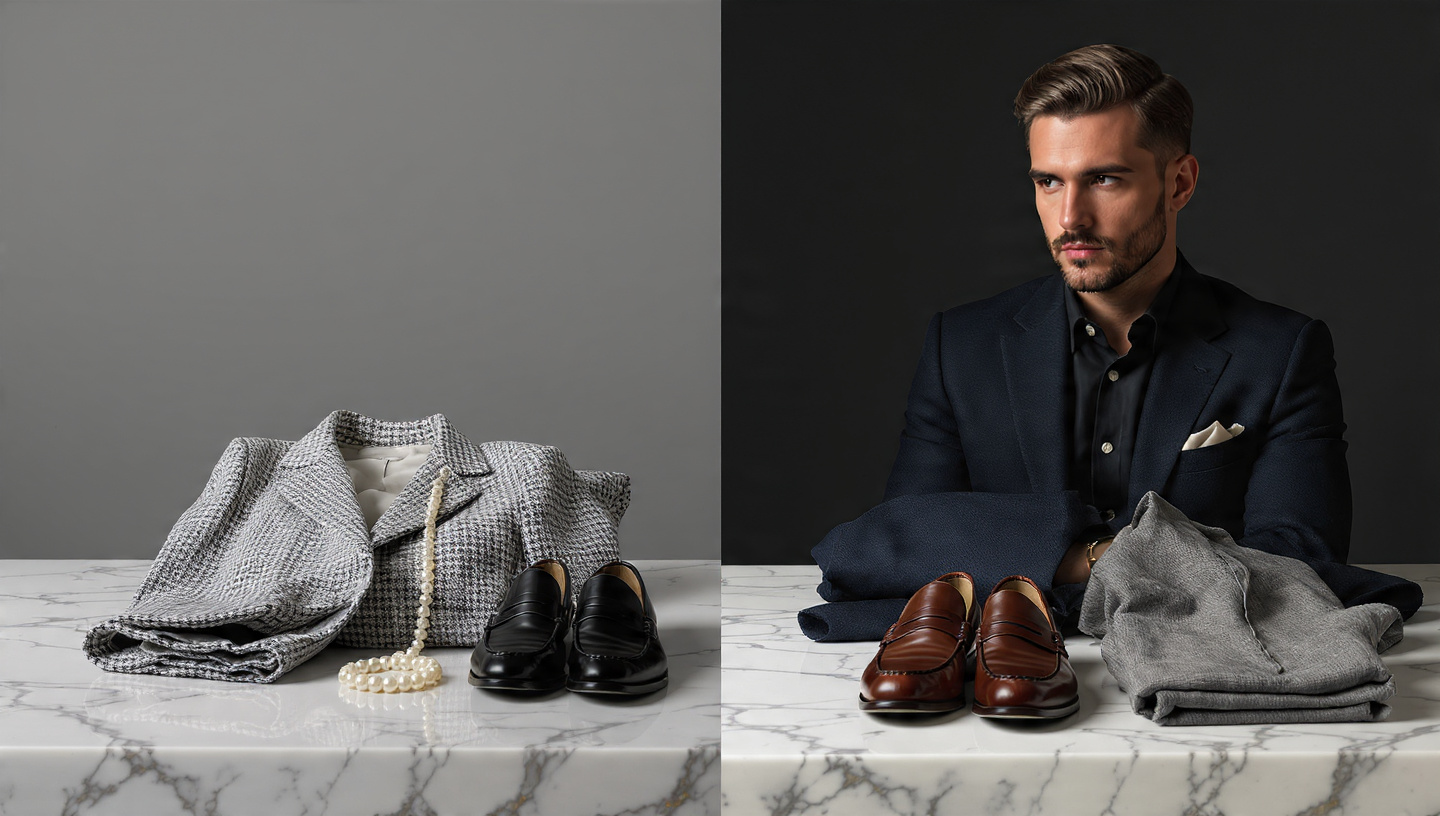
Here’s where things get deliciously ironic. Scroll TikTok or Instagram long enough and you’ll find influencers styling “old money looks at H&M edition”, complete with tweed blazers, loafers, and pearls. The caption? “Quiet luxury on a budget!”
Let’s unpack this cognitive dissonance faster than an H&M seam after wash number three:
True old money values versus H&M’s business reality:
- Garments last decades versus average wear lifespan of 3 to 5 washes
- Quality over quantity versus designed for disposability
- Understated heritage versus trend-chasing with 12 to 16 collections yearly
- Sustainability through longevity versus 29.5 percent recycled materials (progressive but still fast fashion)
- Quiet confidence versus loud, frequent consumption cycles
The brutal truth nobody admits: You cannot buy “old money aesthetic” at a store built on planned obsolescence. It’s like trying to achieve minimalism by ordering 47 things from Amazon Prime Day. The math simply doesn’t work.
The Quality Truth Bomb: What Happens After Wash Number Two?
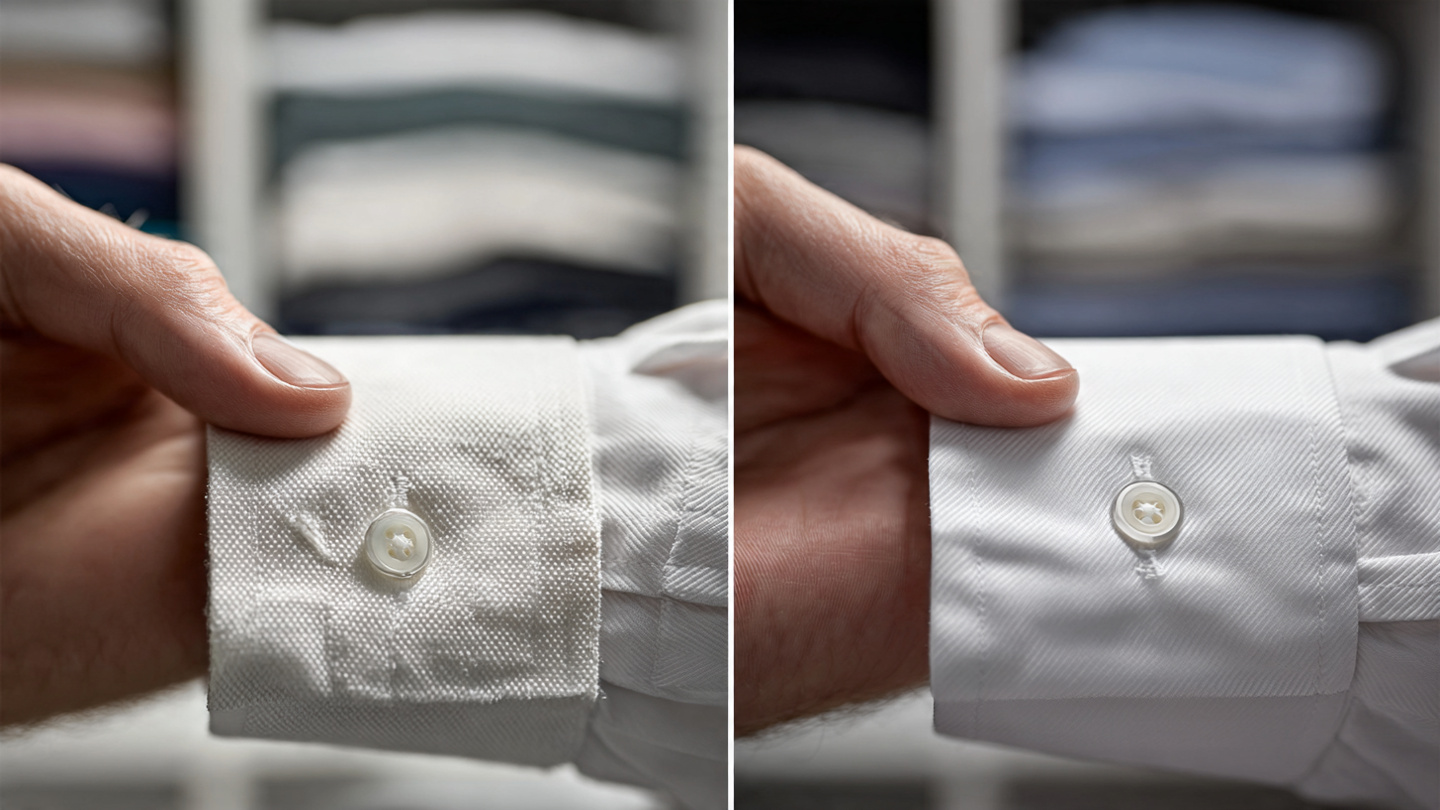
Let’s address the elephant in the dressing room: “Is H&M actually good quality?”
The receipts don’t lie:
- Trustpilot reviews feature gems like “H&M has the worst quality clothing I’ve ever” and “quality has dropped tremendously”
- H&M clothing is generally average in quality, suitable for trendy, affordable stock, but not built for long-term durability
- Even H&M’s own sustainability report admits they’re racing toward 100 percent recycled materials by 2030, which implies they’re not there yet
But here’s the real kicker: Fast fashion isn’t supposed to last. Its entire economic model depends on you replacing items every season. Timeless fashion? Built to outlive trends. Fast fashion? Built to die before the trend does.
Quick answer for featured snippet: Is H&M good quality? H&M offers affordable, trend-driven clothing with average durability, typically lasting 3 to 10 wears before showing wear. While suitable for short-term styling, it lacks the construction, fabric quality, and longevity of timeless fashion brands. For pieces you’ll wear for years (not seasons), seek brands prioritizing quality over turnover.
The Greenwashing Tango: Is H&M Actually Sustainable?
Ah, sustainability, the buzzword H&M slaps on everything like cheap glitter. Let’s separate marketing from reality:
What H&M is doing:
- Reduced plastic packaging by 54 percent versus 2018 baseline
- 29.5 percent recycled materials in production (approaching 30 percent 2025 target)
- 89 percent of materials now recycled or sustainably sourced (goal: 100 percent by 2030)
What critics say:
- H&M faces lawsuits for misleading sustainability marketing
- Removed Higg sustainability profiles after investigation exposed greenwashing claims
- Bottom line: H&M is not a sustainable brand. Their efforts appear to be another sad case of greenwashing
The uncomfortable truth? You cannot sustainably produce 4 billion garments yearly. Sustainability isn’t a fabric blend, it’s a business model. And fast fashion’s model is fundamentally at odds with planetary boundaries.
So What Should You Buy If You Want Real “Old Money Style”?
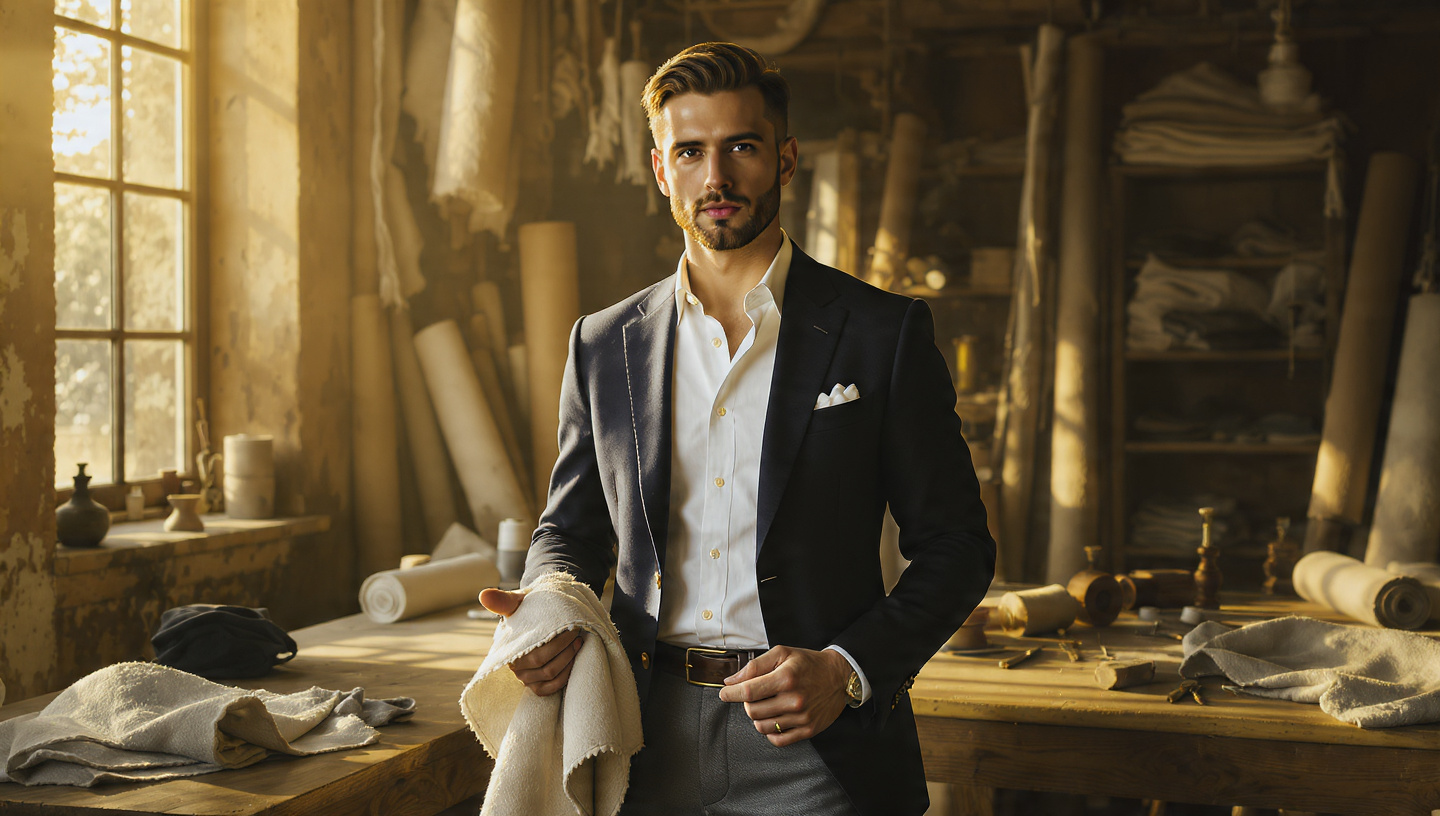
Let’s pivot from problem to solution, without sounding like I’m selling you a timeshare in Nantucket (though honestly, that might last longer than your H&M trousers).
True old money style isn’t about logos or price tags. It’s about three non-negotiables:
- Fabric that ages gracefully Avoid thin polyester blends that pill after one dry cleaning Seek wool, cotton, linen, cashmere, natural fibers with memory
- Construction that respects gravity Avoid flat-felled seams? Never heard of her Seek fully lined jackets, bar tacks at stress points, mother-of-pearl buttons
- Silhouettes that ignore TikTok trends Avoid anything described as “viral,” “aesthetic,” or “core” Seek navy blazers, white OCBDs, gray flannel trousers, pieces your grandfather would recognize
This isn’t about spending $500 on a shirt. It’s about spending $120 on a shirt you’ll wear 100 times instead of $30 on one you’ll wear twice. Cost-per-wear math doesn’t lie.
H&M Alternatives That Won’t Make You Say “Hm” (Regretfully)
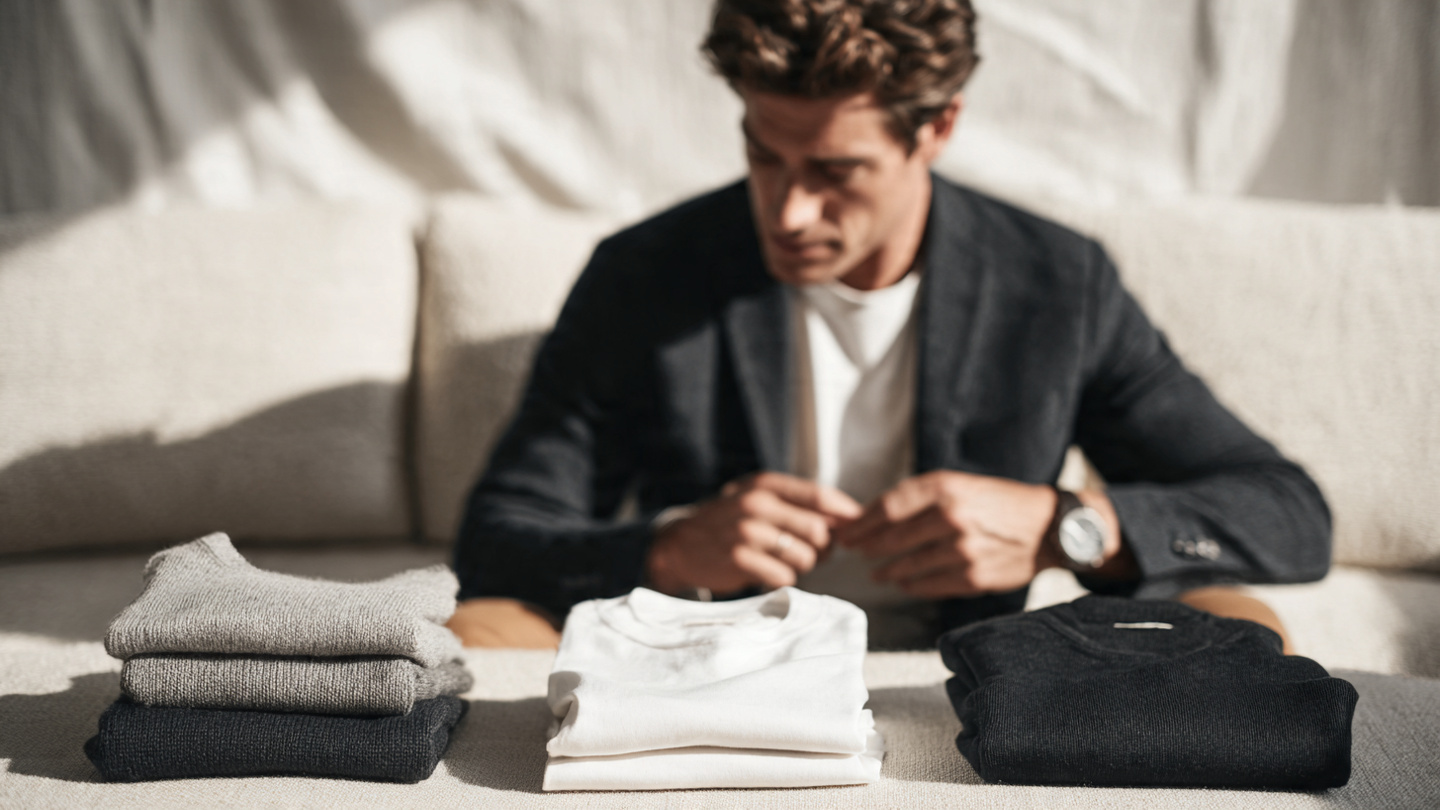
If you’re ready to graduate from disposable fashion but aren’t ready to mortgage your apartment for a suit, here are ethical alternatives offering better quality plus timeless style:
Brand and why it wins and price range:
- Uniqlo: Japanese minimalism, insane fabric tech, actual durability at low price point
- Asket: Radical transparency, permanent collection (no trends), repair program at mid price point
- Kotn: Egyptian cotton, direct trade, built to last at mid price point
- Everlane: Radical transparency (mostly earned), clean basics at mid price point
- Vorithane: Timeless menswear built on old money principles, no trend-chasing, just enduring style at mid price point
Pro tip: Build your wardrobe 80 percent timeless basics (navy, gray, white, olive) plus 20 percent personality pieces. Your future self will thank you when you’re not playing seasonal closet Tetris.
The Real Secret Nobody Tells You (Spoiler: It’s Not Where You Shop)
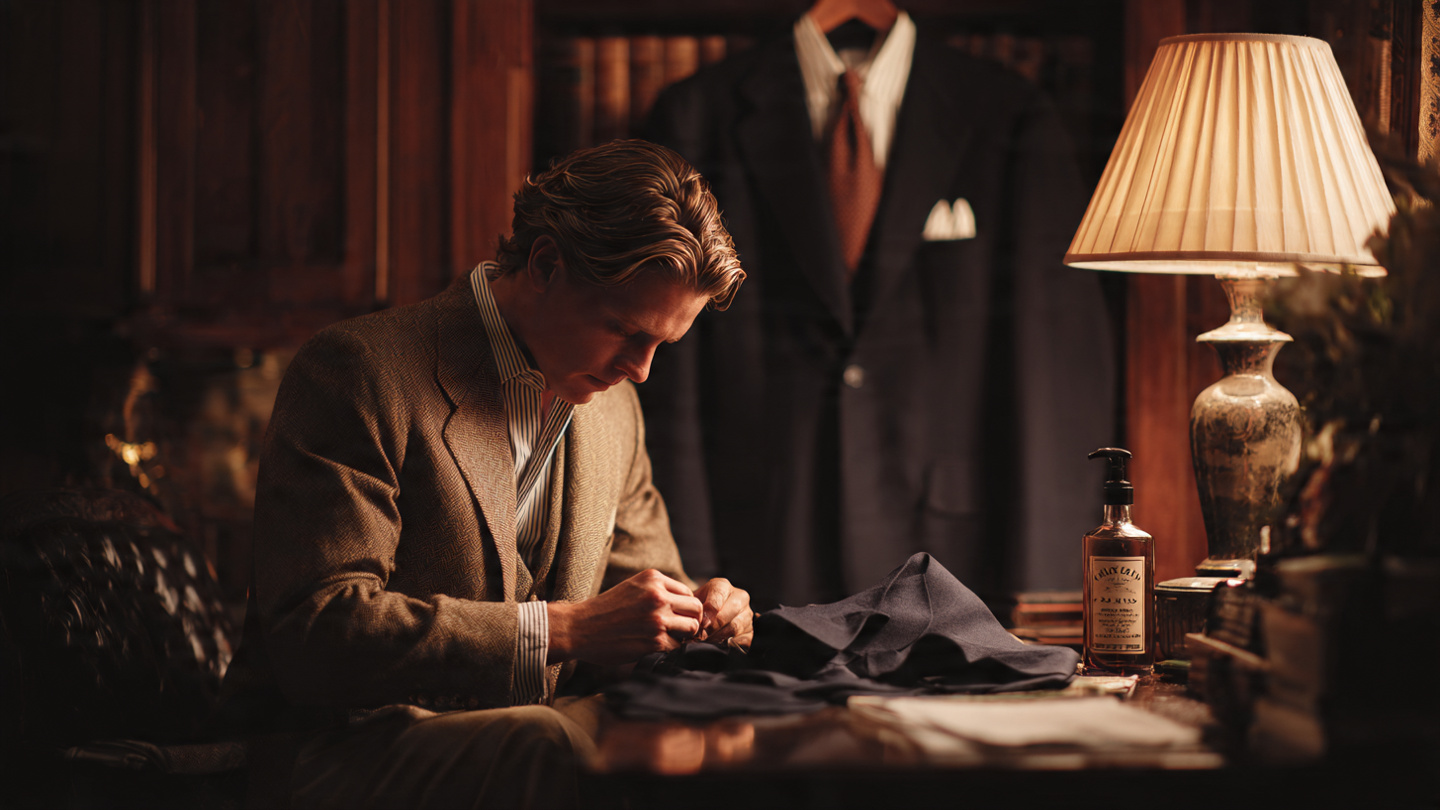
Here’s the tea: Old money style isn’t purchased, it’s cultivated. The Vanderbilts didn’t build generational wardrobes by chasing Zara drops. They invested in pieces that improved with age, like fine wine, not like milk.
Your move:
- Buy less, but better (one great blazer > three mediocre ones)
- Learn basic mending (a $5 needle extends garment life by years)
- Store properly (wooden hangers > wire hangers, your shoulders will thank you)
- Wash less frequently (most clothes don’t need weekly laundering)
Timeless fashion isn’t elitist, it’s economical. Fast fashion is the real luxury tax: paying repeatedly for things that refuse to last.
Final Lesson Before the Bell Rings
That skeptical “hm” you muttered when your H&M shirt betrayed you? That was your intuition whispering: “This isn’t how quality feels.”
True style isn’t about looking expensive. It’s about wearing pieces that respect your time, your wallet, and the planet. Fast fashion offers the illusion of accessibility while trapping you in a cycle of replacement. Timeless fashion offers freedom, the quiet confidence of knowing your clothes will outlast the trend cycle.
So next time you’re tempted by that $19.99 “old money aesthetic” blazer on H&M’s homepage… pause. Ask yourself: “Will this look dignified when I’m 60, or will it look like a relic from a trend I can’t even remember?”
Choose wisely. Your closet, and your conscience, will thank you.
Class dismissed. Now go touch some fabric before you buy it. Your fingers know more than Instagram filters ever will.
FAQ Section
What does “hm” stand for in fashion? In fashion contexts, “hm” almost always refers to H&M (Hennes & Mauritz), the Swedish multinational clothing retailer headquartered in Stockholm, not the contemplative grunt you make when disappointed by thin fabric.
Is H&M good quality clothing? H&M offers average quality suitable for short-term, trend-driven wear, but not built for longevity. Many customers report garments deteriorating after 3 to 10 wears, with seams unraveling and fabrics pilling quickly. For pieces intended to last years (not seasons), seek brands prioritizing construction and natural fibers.
Why is H&M so cheap? H&M keeps prices low through high-volume production, synthetic fabric blends, minimal finishing details, and labor practices common in fast fashion supply chains. This business model intentionally prioritizes affordability and trend turnover over garment longevity, meaning you’ll replace items frequently, ultimately costing more over time.
Is H&M sustainable or greenwashing? H&M has made progress on sustainability metrics (29.5 percent recycled materials, 54 percent plastic reduction) but faces lawsuits for misleading sustainability marketing. Critics argue their core business model, producing 4 billion garments yearly, fundamentally contradicts true sustainability. While better than some fast fashion peers, H&M remains a fast fashion brand with significant environmental impact.
Can you get old money aesthetic at H&M? You can mimic old money aesthetics at H&M temporarily, but not authentically. True old money style relies on quality construction, natural fabrics, and timeless silhouettes that improve with age. H&M’s trend-driven, disposable garments contradict these values. The aesthetic may photograph well for 2 weeks; the reality lasts until the first wash cycle.
What’s the difference between fast fashion and timeless fashion? Fast fashion is trend-driven, mass-produced, low-cost clothing designed for short-term wear (typically 3 to 10 uses) before disposal. Timeless fashion features classic silhouettes, quality construction, and natural fabrics built to last years or decades. Fast fashion costs less upfront but more long-term; timeless fashion costs more initially but delivers superior cost-per-wear value.
What are ethical alternatives to H&M? Ethical H&M alternatives include Uniqlo (durability plus minimalism), Asket (radical transparency plus permanent collection), Kotn (Egyptian cotton plus direct trade), Everlane (supply chain visibility), and Vorithane (timeless menswear built on old money principles). These brands prioritize quality, ethical production, and longevity over trend turnover.
How many times can you wear H&M clothes before they fall apart? Most H&M garments last 3 to 10 wears before showing significant wear, pilling, seam separation, or fabric thinning. Higher-priced premium lines may last 15 to 20 wears with careful care. Compare this to quality timeless pieces (50 to 100 plus wears) and the cost-per-wear math reveals fast fashion’s hidden expense.
Why does old money style reject fast fashion? Old money style rejects fast fashion because it contradicts core values: longevity over disposability, quality over quantity, and understated confidence over trend-chasing. True old money aesthetics evolved from generations who had to make garments last, repairing, altering, and passing down pieces. Fast fashion’s buy-wear-discard cycle is the antithesis of this philosophy.
How do I build a timeless wardrobe on a budget? Start with 5 foundational pieces: white OCBD, navy blazer, gray trousers, quality white tees, leather shoes. Buy secondhand (thrift stores, eBay, Grailed) for vintage quality at low prices. Prioritize natural fabrics (cotton, wool, linen). Mend instead of replacing. Remember: timeless style isn’t about spending more, it’s about spending smarter so you buy less frequently.

